How to Prepare for a Lake Joseph Waterfront Estate Sale
May 14, 2026
May 14, 2026
If you are thinking about selling a Lake Joseph waterfront estate, preparation should start long before photos, staging, or launch week. On this lake, buyers are often looking at more than beauty and lifestyle. They are also paying close attention to permits, shoreline features, sewage systems, and whether key structures are properly documented. A thoughtful pre-sale plan can help you avoid surprises, protect value, and present your property with confidence. Let’s dive in.
On Lake Joseph, one of the smartest first steps is a full compliance review. The Township of Muskoka Lakes treats Lake Joseph as a Category 1 large lake, and that affects what may be allowed along the shoreline, including boathouses, lot coverage, and shoreline structures.
Before you list, gather the permit history for the main cottage, guest buildings, garages, decks, docks, boathouses, and any major renovations or demolitions. The Township requires building permits for construction and demolition, and septic permits for a new system, relocation, or replacement. If paperwork is missing, it is better to identify that early than have it surface during due diligence.
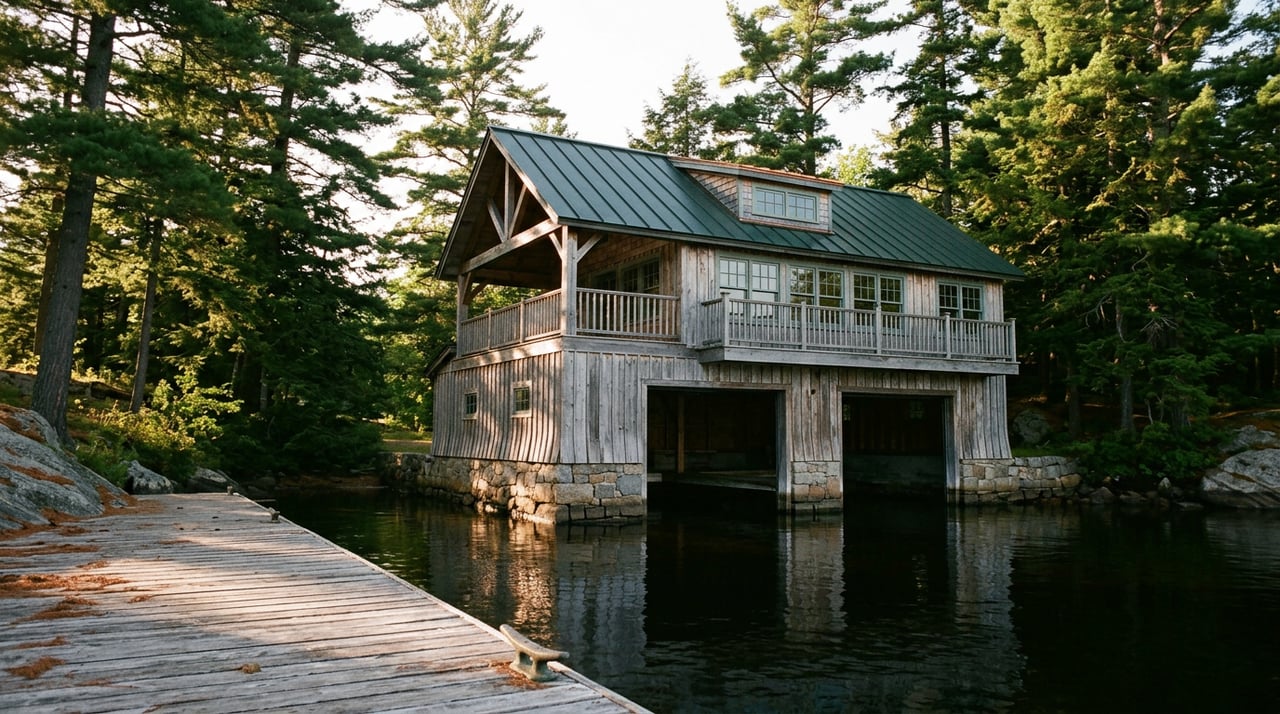
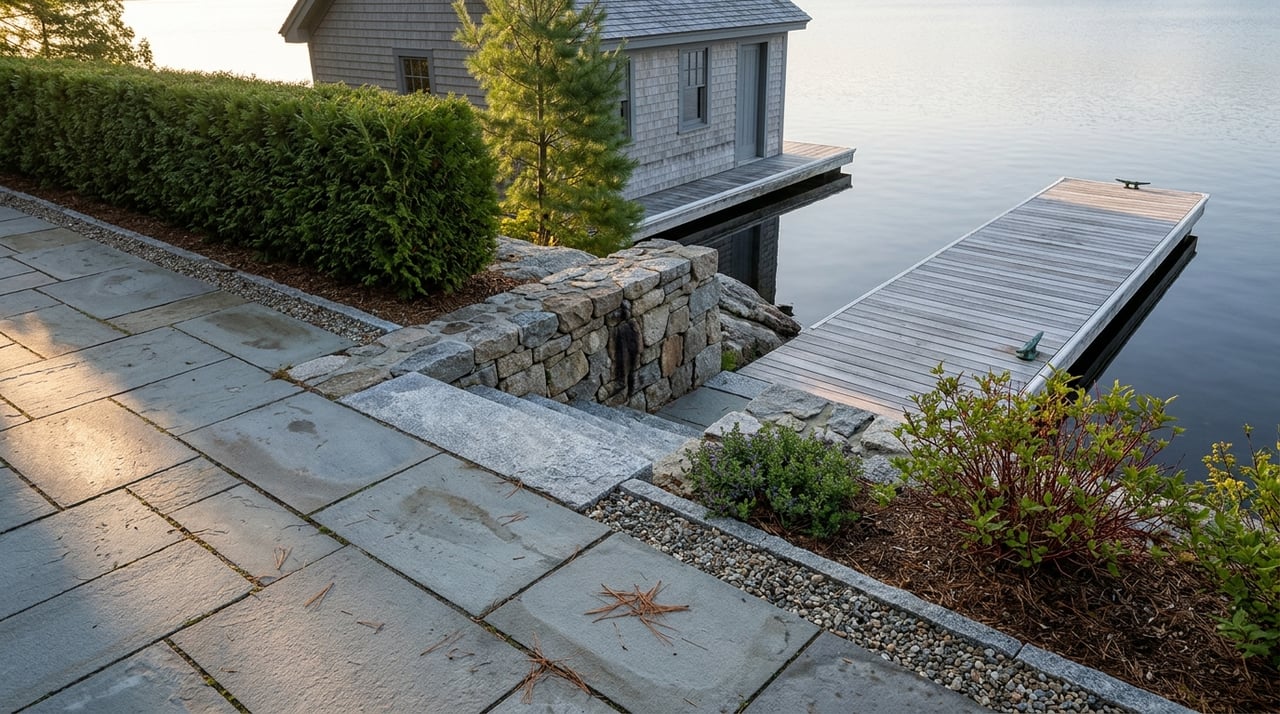
A boathouse can be a major selling feature on Lake Joseph, but only if the documentation supports it. Because Lake Joseph is a Category 1 lake, two-storey boathouses may be allowed subject to Township policy, and buyers will want clarity on what exists, what was approved, and whether any updates were completed properly.
If a dock supports a boathouse or boat port, the Township requires that dock to be inspected and closed first before a boathouse application can be issued. For some work, approvals from MNRF, DFO, the Navigation Protection Program, and Parks Canada may also be required where applicable. Structural review by an engineer may be needed, and welding work may require CWB documentation.
The shoreline is one of your estate’s greatest assets, but it is also regulated. The Township Official Plan sets a maximum lot coverage of 10 percent within 60 metres of the high-water mark, and shoreline structures are limited to 25 percent of lot frontage up to 23 metres.
That means pre-listing improvements should be handled carefully. In some cases, a seller is better off documenting an existing structure and its approvals than rushing into cosmetic or structural changes without first understanding the applicable limits.
For waterfront buyers, septic and well records matter. They are not minor housekeeping items. They are part of understanding how the property functions and how it has been maintained over time.
The Township’s waterfront sewage program classifies systems by age, permit history, and risk. Waterfront systems that are 10 to 30 years old are generally considered moderate risk, while systems older than 30 years, systems with no permit on file, and some short-term-rental properties are considered high risk.
Inspections take place from May through October, and each sewage system on a property is inspected separately. That is especially important for larger Lake Joseph estates, where the main cottage and boathouse may have different systems.
Before a Phase II sewage inspection, lids should be uncovered and recent service reports or maintenance contracts should be ready. The Township may also request water supply information, bedroom count, and total floor area. If you are planning to pump the tank before inspection, the Township says it should be done at least six weeks in advance.
Ontario guidance is clear that private well maintenance is the owner’s responsibility. Before listing, it is wise to have current well testing records, confirmation that the well cap is in good condition, and notes on drainage around the well area.
A well-maintained file helps buyers feel more comfortable. It also signals that the property has been cared for in a way that supports water quality and long-term ownership.
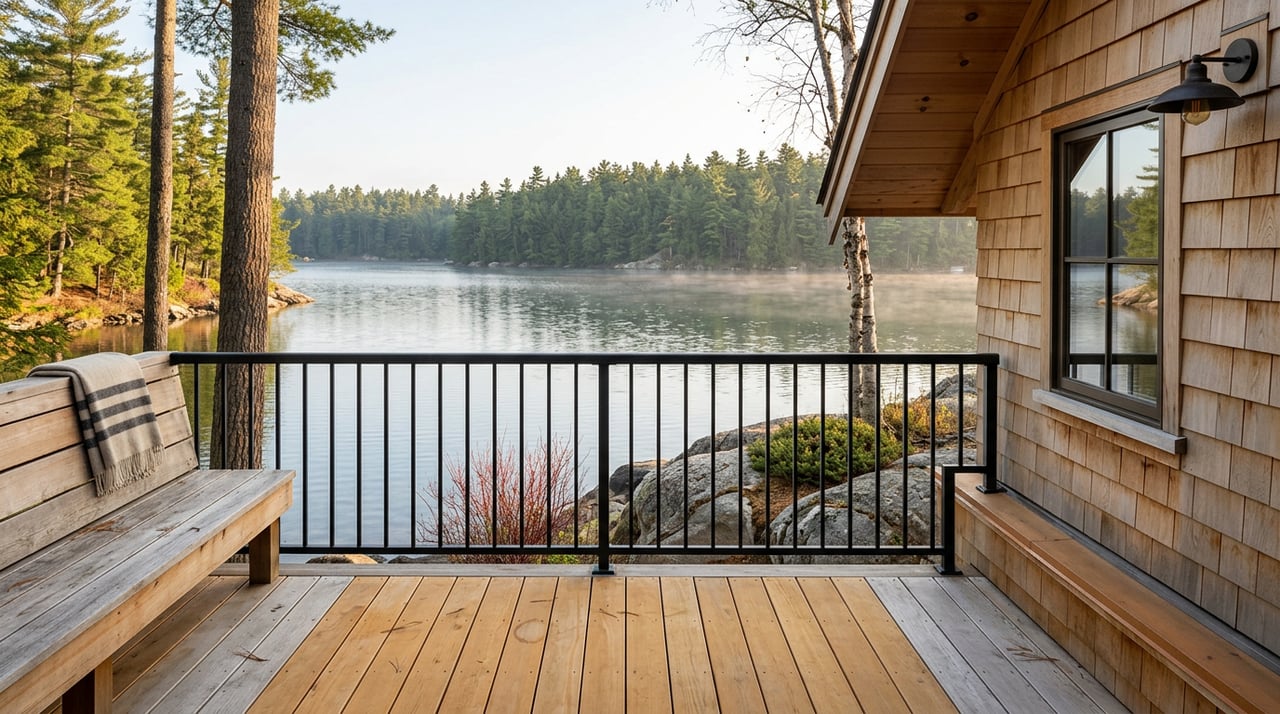
It can be tempting to tidy every inch of the waterfront before launch, but on Lake Joseph, a cleaner look is not always the right move. The Township’s Official Plan expects a natural shoreline buffer to remain in place, and that buffer is part of the property’s value and stewardship story.
Vegetation should generally be retained, and near-shore habitat features such as woody debris and cobble are expected to remain in place. Even the access path to the shoreline is regulated. It may be no more than 3 metres wide, should meander, and should use permeable materials such as clean gravel or mulch.
If you clear too much shoreline for a more open view, you may create questions instead of adding appeal. Buyers who know Muskoka waterfront will often appreciate a property that feels natural, established, and consistent with local policy.
In practice, that means focusing on maintenance rather than aggressive alteration. Trim where appropriate, clean up debris that affects presentation, and let the shoreline read as a cared-for natural setting rather than an overworked one.
Lighting is another detail that deserves attention before the listing goes live. The Township’s Dark Sky rules limit some boathouse lighting, and certain grandfathered fixtures may need to come into compliance when a permit is issued or a fixture is replaced or moved.
A pre-listing lighting review can help you avoid a last-minute issue. It also supports the quiet, refined presentation that many Lake Joseph buyers expect from a premium waterfront property.
Waterfront title work is not something to leave until an offer is on the table. Lake Joseph properties may involve original shore road allowance and flooded-land issues, and those details can affect buyer confidence if they are discovered late.
The Township’s policy states that portions of original shore road allowance covered by water generally remain Township-owned. In some situations involving two-storey boathouses or living accommodation, the Township may consider the sale of flooded original shore road allowance when an owner is applying to obtain ownership of the Crown lakebed.
Your 911 civic address should be visible from the primary access point. If a private road, entrance, or driveway layout has changed, it is important to make sure the Township has current information.
This sounds simple, but it matters during showings and inspections. If the entrance connects to a District road, permits are handled through the District of Muskoka, and entrance permits are not issued between November 1 and April 15 because snow conditions prevent inspections.
Luxury buyers and their lawyers usually appreciate a well-organized file from the start. A strong documentation package can reduce friction, answer questions faster, and make your estate feel genuinely sale-ready.
At minimum, gather surveys or reference plans, permit records, septic and well documentation, utility information, service logs, and any papers related to shore road allowance or flooded lands. If you choose to use a seller information statement, RECO notes that it can help identify disclosures and property facts, and if it is intended for buyers it must be disclosed to all interested buyers.
If your estate has more than one sewage system, label which building each system serves. Also locate each lid before the listing launches.
This is a small step that can save time and confusion later. On larger compounds, clear labeling makes inspections and buyer review much smoother.
Staging a Lake Joseph estate is about more than furniture and florals. You are also presenting access, privacy, shoreline function, and seasonal readiness.
The Township Official Plan favors permeable driveway and parking surfaces that drain away from the shoreline. The sewage program also warns that new landscaping or driveway work can accidentally direct water toward the septic system instead of away from it. So before making exterior changes, it is wise to think through drainage as carefully as design.
Spring can be a beautiful time to prepare a waterfront property, but it comes with a few practical limits. Water levels on Lake Joseph and Lake Rosseau are monitored during spring freshet, and that can affect dock condition, shoreline erosion, and the timing of exterior repairs.
Road use matters too. Muskoka Lakes roads are subject to reduced-load restrictions from March 1 to approximately May 31, which can affect heavy deliveries, dumpsters, and materials during spring clean-up.
For luxury showings, privacy is part of the experience. At the same time, emergency access should remain clear, and exterior lighting should stay consistent with Dark Sky expectations.
If you are planning a larger event or broker preview, remember that dock or boathouse repairs may not be just cosmetic. The Township states that structural repairs to a dock supporting a structure require a permit and an engineered design that considers lakebed conditions and expected loads.
A Lake Joseph estate is rarely a simple property. It may include multiple buildings, shoreline structures, private services, and decades of improvements layered over time. That complexity is exactly why careful preparation can protect both pricing and negotiating position.
When your estate is well documented, well maintained, and presented with local rules in mind, buyers can focus on the property itself. That creates a smoother path to market and a more confident conversation when serious interest arrives.
Selling a Muskoka waterfront property is also personal. It often involves family history, routines, and a sense of stewardship for the land and shoreline. A thoughtful sale process respects that legacy while helping you move forward with clarity.
If you are preparing to sell on Lake Joseph and want discreet, experienced guidance on how to position your property, Marilyn Mannion offers tailored advice shaped by decades of Muskoka waterfront experience.
Stay up to date on the latest real estate trends.




Let me help you with your Muskoka real estate needs.