Gravenhurst Waterfront vs In-Town: Which Home Fits?
April 23, 2026
April 23, 2026
Trying to decide between a waterfront property and an in-town home in Gravenhurst? You are not alone. Many buyers love the idea of private shoreline, but they also want a home that feels manageable, flexible, and comfortable year-round. The good news is that in Gravenhurst, both options can support a strong Muskoka lifestyle. This guide will help you compare price, lifestyle, upkeep, and long-term fit so you can make a confident choice. Let’s dive in.
Gravenhurst is not a typical small town. According to the Town of Gravenhurst, it has 13,157 permanent residents, an estimated seasonal population of about 34,000, and 8,302 private dwellings. Its urban core also sits between Lake Muskoka and Gull Lake, which means buying in town does not mean giving up easy access to the water.
That location is a big reason this decision feels more nuanced here than in many other markets. You are often choosing between private waterfront access and simpler in-town ownership, not between lake life and no lake life.
For many buyers, budget is the clearest starting point. Regional data from CREA/OnePoint for Muskoka & Simcoe County shows a Q4 2025 median sale price of $636,000 for non-waterfront residential properties and $830,000 for waterfront properties.
That is a meaningful premium for waterfront. The same report also shows 7.8 months of inventory for non-waterfront homes compared with 10.1 months for waterfront, with median days on market of 41 versus 51.5. In practical terms, waterfront tends to cost more and can take longer to sell.
If you want to keep more room in your budget for renovations, furnishings, or lower monthly carrying costs, an in-town home may offer more flexibility. If your top priority is stepping out to your own dock or shoreline, the higher entry price of waterfront may still feel worthwhile.
The key is to compare more than just purchase price. You also want to look at taxes, maintenance, and future plans for the property.
The best choice often comes down to how you want to live, not just what you want to own. A waterfront property and an in-town home can both deliver a Muskoka lifestyle, but they do it in different ways.
If your dream is built around direct water access, waterfront is hard to replace. The town highlights boating, fishing, canoeing, kayaking, rowing, waterskiing, wakeboarding, and tubing as part of local lake life, and notes that municipal boat launches currently do not charge launch fees.
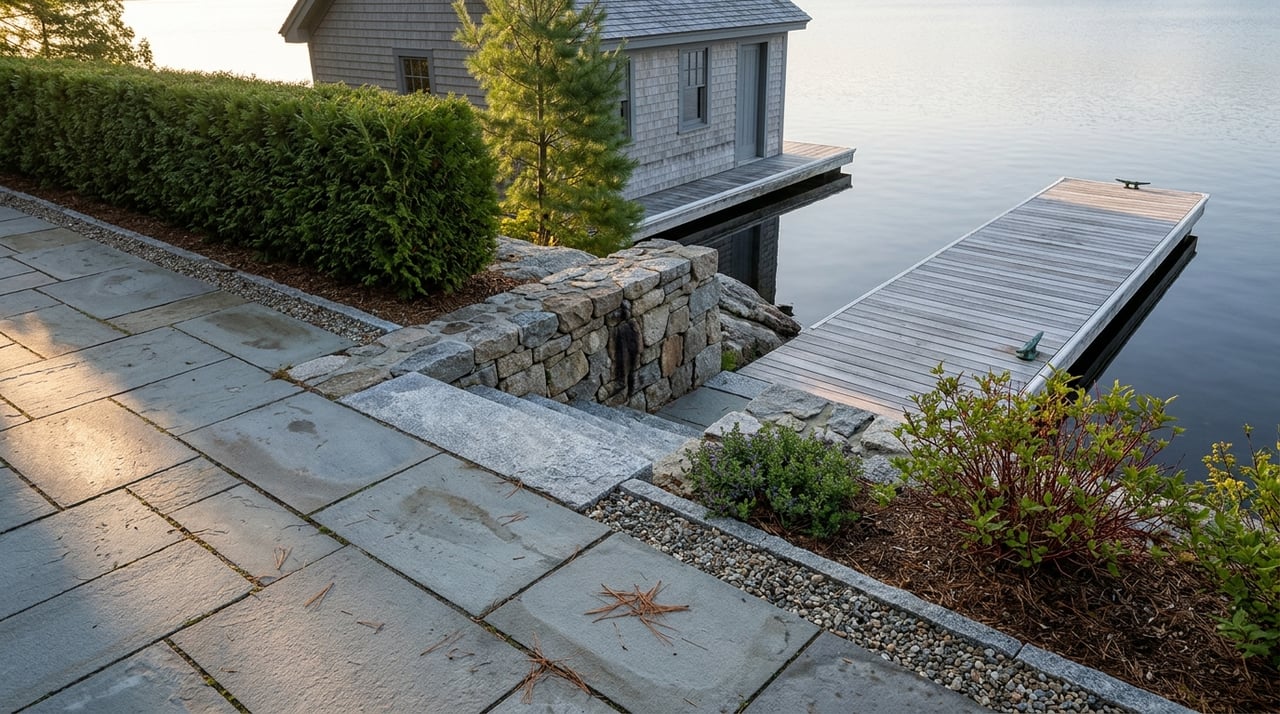
For some buyers, that private shoreline experience is the whole point. You can keep your boat close, enjoy the view every day, and make the lake part of your routine instead of a destination.
An in-town home can still support a very active outdoor lifestyle. Gravenhurst maintains 6 public beaches, 13 parks, and 35 km of walking and hiking trails, and the largest beach at Gull Lake Rotary Park includes seasonally supervised swim docks.
That means you can enjoy beaches, paddling, trails, and time by the water without taking on the full responsibility of owning shoreline. For many buyers, especially those planning more frequent year-round use, that balance feels just right.
Your day-to-day needs matter just as much as your weekend plans. If you are thinking about year-round living, frequent getaways, or hosting family with different mobility and schedule needs, convenience deserves a close look.
Gravenhurst describes itself as a walkable community with municipal lots, Ontario Northland bus service, private taxis, demand-responsive transit, and Muskoka Airport. The town also lists a local family health team and nearby hospitals in Bracebridge and Huntsville.
An in-town property usually gives you quicker access to everyday services and municipal infrastructure. That can be especially appealing if you plan to spend longer stretches in Gravenhurst, work remotely, or want a home that feels straightforward in every season.
Waterfront can still work beautifully for year-round use, but the experience is often more property-specific. Access, utilities, shoreline conditions, and weather exposure can all have a bigger impact.
This is where the two paths can separate quickly. Waterfront ownership often includes more moving parts than buyers expect at first glance.
In Gravenhurst, a dock connected to the shoreline requires a building permit. The town also notes that shoreline alterations or occupation of lakebed can require a Ministry of Natural Resources and Forestry work permit, and using a Town-owned shore road allowance may require a 10-year licence of occupation or purchase. You can review those requirements through the town’s building permits information.
The town’s shoreline structure permit documents also show that shoreline work may require site plans and outside approvals before an application is complete. Even a project that looks simple can involve several steps.
Many waterfront and cottage-country properties come with private systems. Gravenhurst runs a summer septic re-inspection program, advises pumping septic tanks every 3 to 5 years, and outlines minimum distances between wells and sewage systems through its building and planning guidance.
That does not mean a waterfront property is a bad choice. It simply means you should go in with a clear understanding of ongoing care, timing, and costs.
The town’s emergency preparedness guidance reminds residents near bodies of water to be aware of annual flooding and also flags storms, snow, and ice as hazards. Waterfront owners should generally expect more weather-related maintenance and preparedness than most in-town homeowners.
By contrast, Gravenhurst says the District of Muskoka operates municipal water and wastewater systems within area municipalities. In many cases, that makes in-town ownership more straightforward than managing private shoreline systems and structures.
Purchase price gets the most attention, but ownership costs can shape your experience just as much. Gravenhurst’s 2026 budget estimated a residential tax impact of $72 per $100,000 of assessment for urban properties and $60 per $100,000 for rural properties, while the town portion alone was about $40.10 per $100,000.
The exact tax class depends on the property, so you always want to confirm property-specific details. Still, the larger takeaway is simple: carrying costs matter on both sides of the decision. Waterfront may bring added costs through upkeep, permits, and private systems, while in-town homes may appeal to buyers who want more predictable ownership expenses.
Some buyers hope a property will offset costs through short-term rentals. In Gravenhurst, that plan needs careful review.
The town requires a short-term rental accommodation licence before advertising stays of 28 days or less. The 2026 licence fee is $800, and approval is not automatic. The town lists issues such as tax arrears, improper zoning, unpermitted structures, septic capacity, and an outstanding MAT balance as possible barriers.
Gravenhurst also charges a 4 per cent Municipal Accommodation Tax on licensed short-term rentals and other transient stays under 30 days, with quarterly remittance. That means rental potential should be evaluated based on net income after compliance costs, not just headline nightly rates.
It is easy to assume waterfront will always perform better because it is more desirable. But higher purchase prices, longer market times, licensing costs, and added property complexity can change the math.
If rental income is part of your plan, you want to look at the entire ownership picture instead of focusing on revenue alone.
If you are still deciding, this quick framework can help:
In Gravenhurst, this decision is rarely about whether one property type is universally better. It is about whether you want to pay for private shoreline use and accept the related responsibilities, or whether a more year-round, lower-complexity in-town property better fits your life.
Because Gravenhurst’s urban core remains so connected to lakes, beaches, trails, and boating, an in-town home can be a very credible lake-country alternative. For other buyers, nothing will replace the feeling of owning the shoreline itself.
The right answer is personal, and it often becomes clear once you compare not only price, but also how you plan to use the property in every season. If you want help weighing Gravenhurst waterfront versus in-town options with local insight and a tailored strategy, connect with Marilyn Mannion.
Stay up to date on the latest real estate trends.

Let me help you with your Muskoka real estate needs.