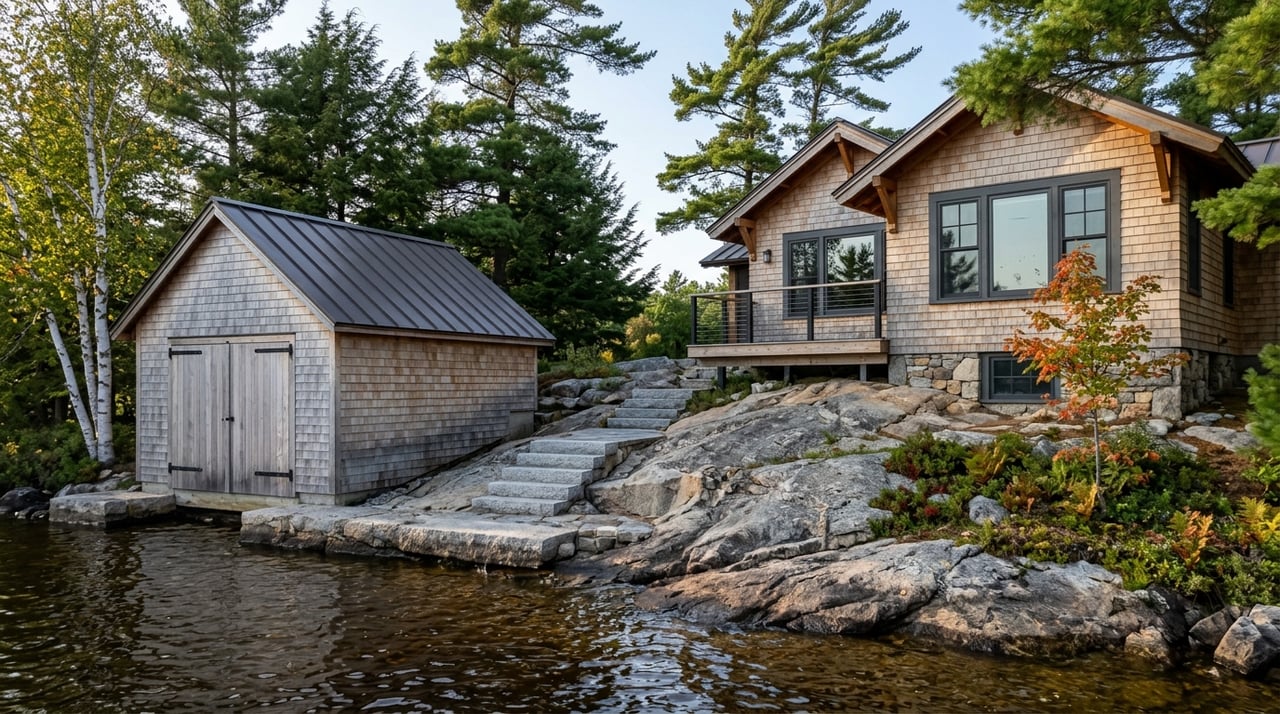
Which Lake Muskoka Cottage Location Fits You Best?
April 2, 2026
April 2, 2026
If you are shopping for a Lake Muskoka cottage, the biggest decision may not be the cottage itself. It is often where on the lake you buy. That choice shapes your drive time, boating experience, privacy, shoreline feel, and long-term value. This guide will help you compare Lake Muskoka locations with more clarity, so you can focus on the setting that fits how you actually want to use the property. Let’s dive in.
Lake Muskoka is not one uniform shoreline. It is part of the broader Township of Muskoka Lakes system, with different access points, boating patterns, and shoreline character depending on where you look. Township information also places the area at roughly two hours from Toronto Airport and about two and a half hours from Toronto, with access via Highways 11, 169, 400, and 141.
For many buyers, that means your ideal location is really a balance of convenience and lifestyle. You may want faster highway access, easier marina services, a busier boating hub, or a quieter bay. On Lake Muskoka, those trade-offs matter as much as the home itself.
The township also identifies Bala and Port Carling as key urban centres in the area. Bala sits at the confluence of Lake Muskoka and the Moon River, while Port Carling sits between Lake Muskoka and Lake Rosseau, making both communities important reference points when you compare cottage locations on the lake.
The Township’s waterfront planning framework gives you a practical way to think about the lake. It describes the waterfront as mostly low-density residential shoreline on both mainland and islands, with some commercial activity around resorts and marinas.
It also explains that much of the shoreline is shaped by vegetated edges, thin soils, and Precambrian granite bedrock. In plain terms, that means the natural shoreline is a major part of the value and character of the lake, but it also affects what you can change over time.
When you buy here, you are not just buying frontage. You are also buying into a setting where shoreline buffers, tree cover, and natural vegetation matter. That is one reason location decisions on Lake Muskoka deserve a careful, property-by-property approach.
A useful way to evaluate Lake Muskoka is to break it into south, central, and north areas. These are not formal municipal boundaries, but they are a helpful buyer shorthand based on access nodes, boating hubs, and launch points across the lake.
South Lake Muskoka often appeals to buyers who want easier arrival and a more town-adjacent experience. Gravenhurst’s urban core sits between Lake Muskoka and Gull Lake, and Muskoka Wharf offers boardwalk access, docking, transient slips, and marina services.
If convenience matters most, this part of the lake can make a lot of sense. You may find it easier for weekend travel, boat service logistics, and quick runs into town compared with properties deeper into the lake system.
The shoreline feel here can read as more public-facing and tourism-oriented, especially around the wharf and peninsula area. Based on official trail and wharf descriptions, this area also features exposed granite and rocky shoreline in places, which creates a distinctly Muskoka setting with a more active backdrop.
From a pricing standpoint, South Lake Muskoka is still premium. Even so, buyers sometimes see the broadest range of property types here, which can create comparatively more accessible entry points within the Lake Muskoka market.
Central Lake Muskoka is often where buyers picture the classic big-lake experience. If you want strong boating connectivity and close ties to Port Carling, this area deserves serious attention.
Port Carling sits between Lake Rosseau and Lake Muskoka, and township materials describe boat traffic moving into downtown Port Carling and through the locks. That makes the central part of the lake especially appealing if boating is a major part of how you plan to use the property.
The township also lists docks and boat launches around Bala, Beaumaris, Glen Orchard, Milford Bay, and Acton Island. Taken together, those access points suggest a part of the lake that is highly connected, highly usable, and often in high demand.
That demand tends to support stronger values. In practice, central Lake Muskoka is often viewed as one of the most competitive parts of the lake because of its hub status, through-boating access, and proximity to Port Carling services.
North Lake Muskoka often appeals to buyers who like the Bala side of the lake and a more village-linked feel. Bala is identified by the township as the confluence of Lake Muskoka and the Moon River, and it remains an important gathering and boating point in the area.
This part of the lake is still firmly connected to the main Lake Muskoka system, but the experience can feel somewhat more river-influenced and community-oriented. For some buyers, that creates a nice middle ground between full open-lake exposure and a more sheltered, connected setting.
The township also provides water level information for Lake Muskoka, including monitoring at Bala Bay and Beaumaris, and notes that lake levels are managed through dams in Port Carling and Bala. That is useful context when comparing shoreline conditions and seasonal water-level considerations.
North Lake Muskoka is still a premium market. However, some buyers perceive stronger relative value here than in the Port Carling core when comparing similar water-access opportunities.
Once you narrow down an area of Lake Muskoka, the next step is comparing individual lots. On this lake, two properties in the same general area can offer very different day-to-day experiences.
Useful terms to know include frontage, exposure, open water versus bay, narrows, road access versus water access, dock depth, bridge or lock proximity, shoreline buffer, and municipal launch proximity. These ideas connect directly to the township’s planning priorities around natural shorelines, access, and development limits.
These are not small details. On Lake Muskoka, they can shape everything from swimming conditions to docking ease to your ability to make future improvements.
Lake Muskoka sits in Muskoka’s premium waterfront tier. Internal market context shows that prices are high, but there is also a wide spread in property type, shoreline style, and access.
That is why smart buyers usually look at value through frontage, condition, exposure, and access, not just sticker price. A lower-priced cottage may come with trade-offs in boating traffic, shoreline usability, or renovation flexibility. A higher-priced property may justify the premium if the lot checks the boxes that matter most to your family.
In a market where inventory and marketing times can vary, clarity matters. If you know whether you prioritize fast arrival, calmer water, open-lake views, village access, or room for future improvements, you will make better decisions and avoid paying a premium for features you do not really need.
If you feel torn between multiple parts of the lake, start with your actual lifestyle. Think about how often you will come up, whether you will boat often, how much privacy you want, and how important quick access to Port Carling, Bala, or Gravenhurst is to your routine.
A simple framework looks like this:
There is no single best area for everyone. The right choice is the one that matches your pace, priorities, and long-term plans for the property.
If you are weighing the trade-offs between access, shoreline character, and value on Lake Muskoka, working with a local waterfront specialist can make the search much more focused. Marilyn Mannion offers thoughtful, discreet guidance for buyers navigating Muskoka’s waterfront market and can help you compare locations with the detail this kind of purchase deserves.
Stay up to date on the latest real estate trends.





Let me help you with your Muskoka real estate needs.