The Lake Muskoka Cottage Selling Process
June 4, 2026
June 4, 2026
If you are selling a Lake Muskoka cottage, it is easy to assume the water, views, and lifestyle will do most of the work. In reality, today’s market asks for much more than a beautiful setting. You need thoughtful pricing, careful preparation, and a strategy that protects both value and privacy. That is exactly where a boutique agent can make a meaningful difference. Let’s dive in.
Selling a cottage on Lake Muskoka is rarely a simple, plug-and-play transaction. Waterfront properties often come with unique features like docks, boathouses, septic systems, shoreline structures, and older permit histories that buyers will want to understand before they commit.
The broader Muskoka and Simcoe waterfront market also shows why strategy matters. CREA and OnePoint reported 1,265 waterfront sales in 2025, down 8.5% from 2024, with 10.1 months of inventory and a median 51.5 days on market in Q4 2025. In Q1 2026, waterfront sales were 106 units and the median waterfront price was $869,500, down 2.3% year over year.
That does not mean strong properties cannot sell well. It does mean sellers benefit from disciplined pricing, polished presentation, and steady buyer management. A boutique agent helps you approach the sale as a guided process, not a guessing game.
In Ontario, RECO says a seller’s agent may help with market advice, marketing, photos, videos, virtual tours, referrals, showings, offer vetting, negotiation, and closing paperwork. RECO also notes there is no standard set of services, which is why the representation agreement matters so much.
With a boutique agent, you should expect a clear scope of service from the beginning. That usually means a step-by-step plan for valuation, preparation, launch, showings, negotiation, and closing coordination. It should feel personal, organized, and aligned with your priorities.
For many Lake Muskoka sellers, those priorities include discretion. You may not want a high-volume approach, unnecessary traffic through the property, or a marketing plan that overlooks the details that matter to waterfront buyers.
Pricing a Muskoka cottage is part market analysis and part local judgment. Waterfront properties are not interchangeable, even on the same lake. Shoreline, exposure, road access, privacy, topography, docking, water depth, and the condition of existing structures can all influence how buyers respond.
In a market with more inventory and longer selling times, pricing too high can reduce momentum. When a listing lingers, buyers may start to wonder what they are missing. A boutique agent’s role is to help you set a price that reflects both the property and the current market, while positioning you to attract serious interest early.
This is where local experience matters. A cottage is not just a building. On Lake Muskoka, buyers are evaluating the full waterfront package.
One of the most valuable parts of boutique representation happens before your listing goes live. Good preparation can reduce stress, improve buyer confidence, and help avoid delays later in the transaction.
The Township of Muskoka Lakes notes that waterfront lots may require site plan approval in some cases, and that applications may involve a property deed, proof of entrance approval, septic or water and sewer approval, and development fees. The Township also says a septic permit is required for a new system, a relocation, or the replacement of an old system.
That is why sellers should gather documentation early. A well-prepared file may include surveys, permit records, septic information, and paperwork that supports the property’s legal and physical configuration. If a buyer asks questions, you want answers ready.
The Township’s Municipal Record Search can provide information on issued building permits, inspection status, outstanding orders, zoning designation, permitted uses, and planning approvals. The Township says these searches typically take 10 to 15 business days, so it is wise to start early.
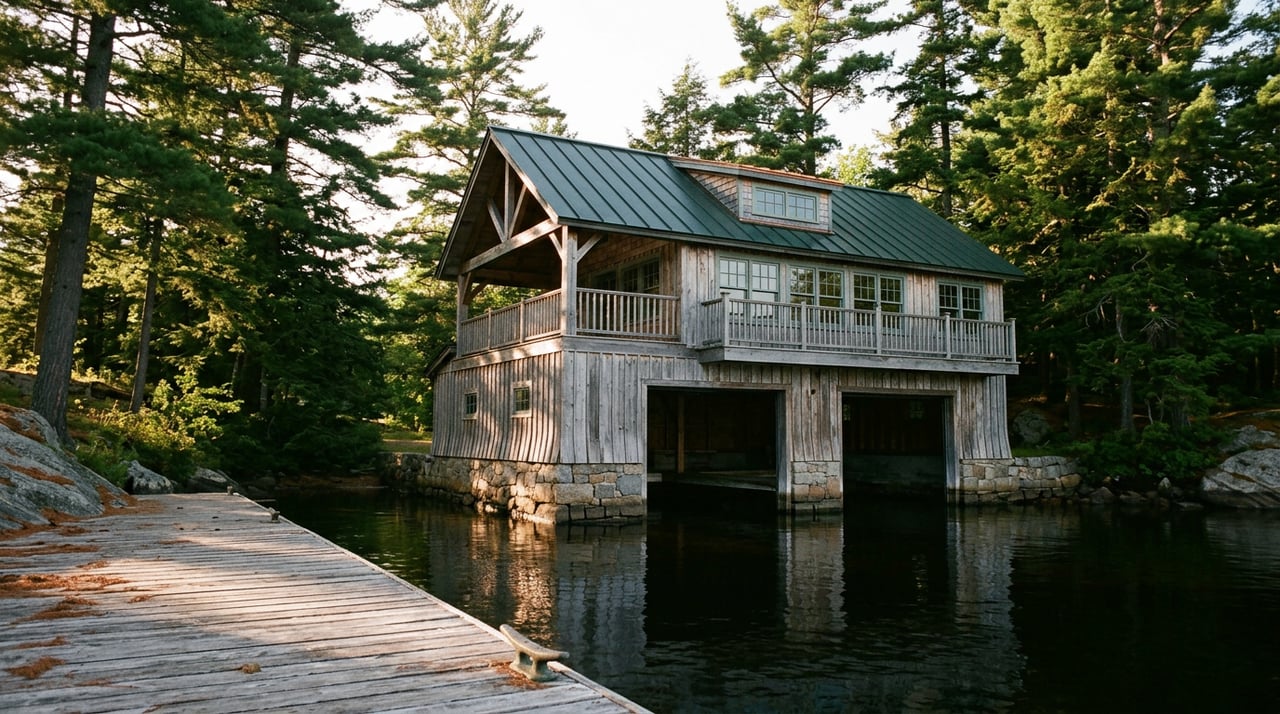
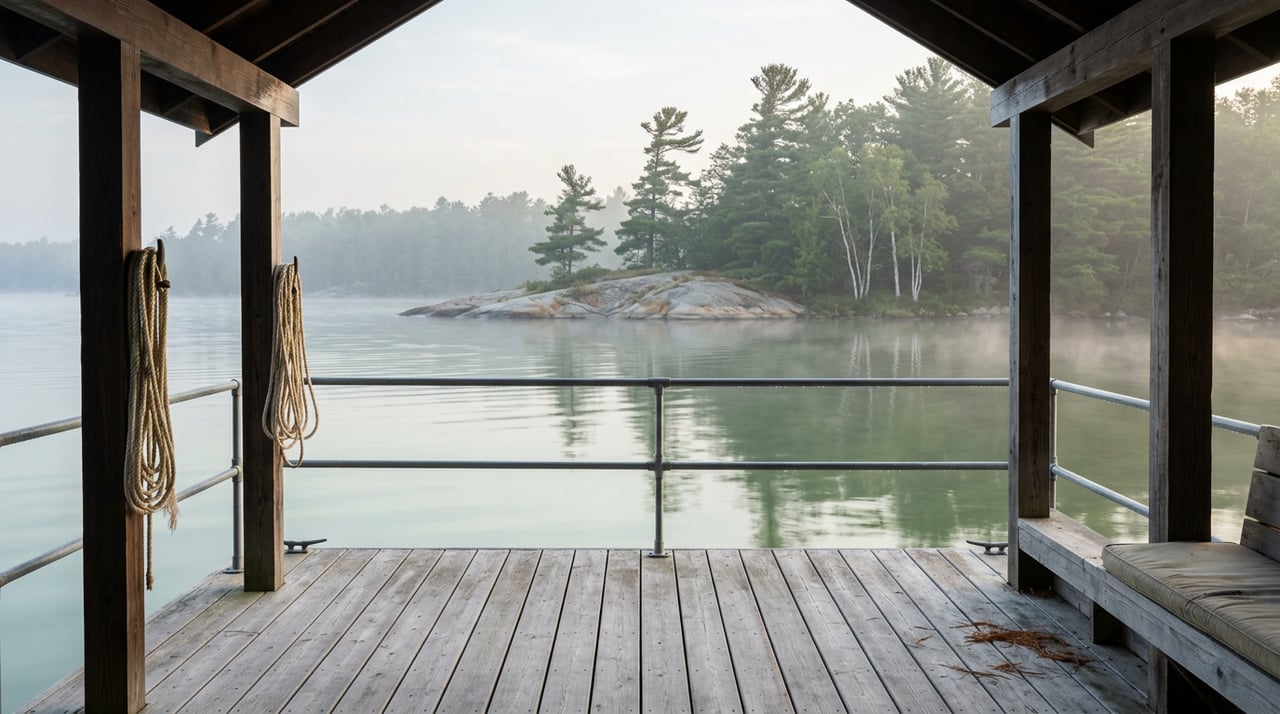
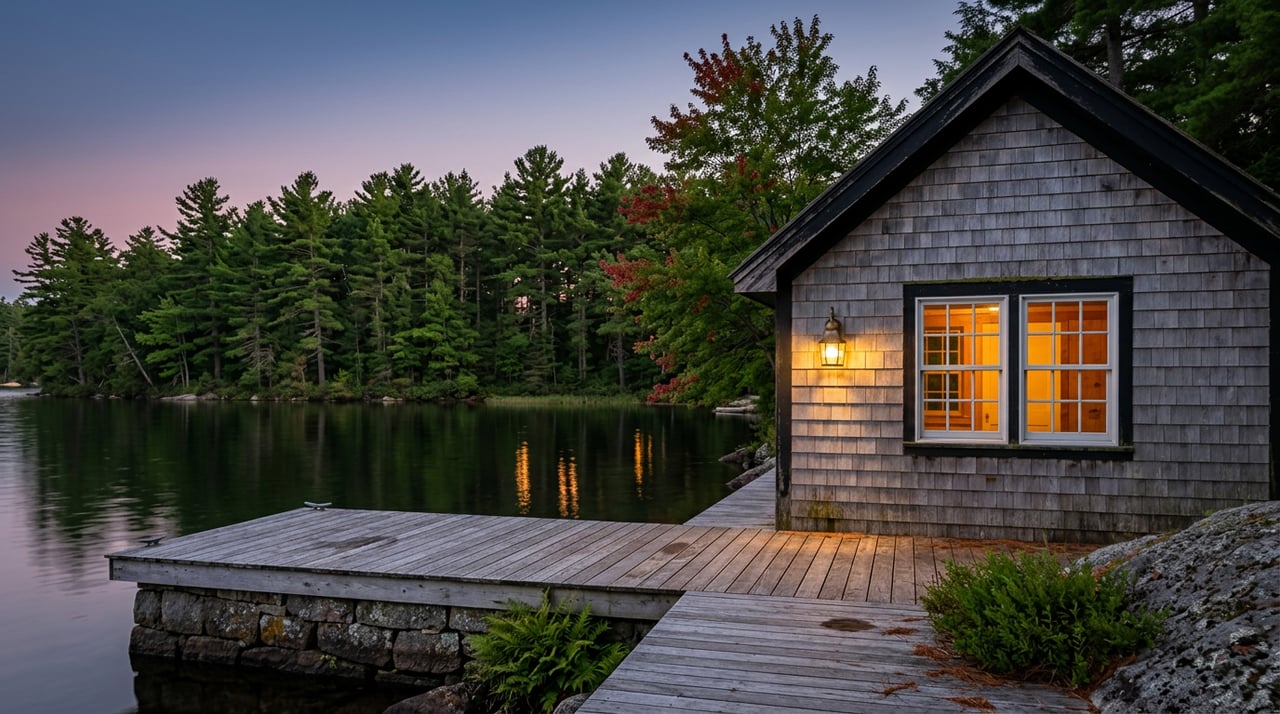
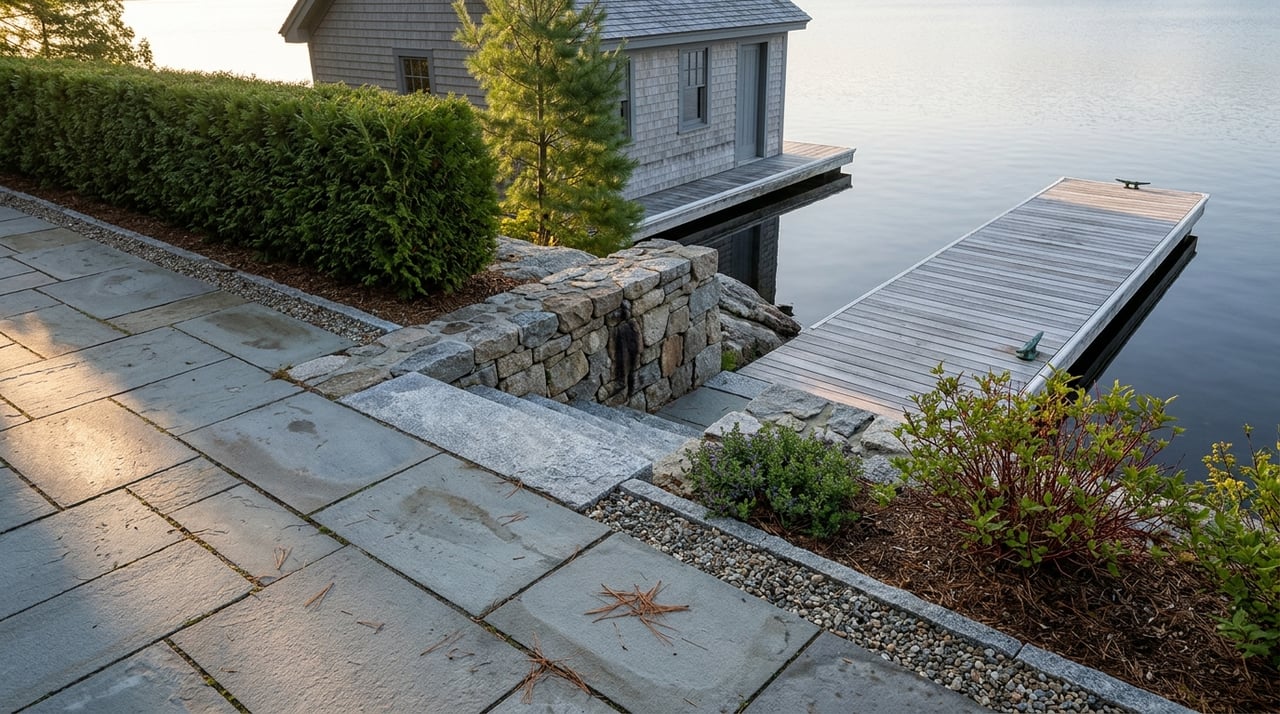
On Lake Muskoka, waterfront structures are often central to a buyer’s first impression. They are also one of the most common areas for questions. A dock or boathouse that looks wonderful in photos may still trigger concerns if a buyer is unsure about permits or approvals.
The Township says a building permit may be required for docks and boathouses. It also notes that approvals from MNRF, DFO, the federal Navigation Protection Program, and Parks Canada may be required where applicable. In addition, the Township’s dock guide says any new crib area requires a permit, and repair work on stringers or cribs also requires a permit.
This does not mean every shoreline feature is a problem. It means due diligence matters. A boutique agent can help you identify these questions before buyers raise them, which helps protect confidence during negotiations.
Selling a cottage often involves sensitive decisions around privacy, timing, and negotiating position. Ontario’s RECO Information Guide says designated representation was introduced on December 1, 2023. Under designated representation, your named representative must promote and protect your best interests, while the rest of the brokerage treats you impartially and objectively.
RECO also says confidential information cannot be shared outside the brokerage without consent. For sellers who value a discreet, advisory relationship, that framework matters.
If multiple representation is agreed to, RECO says the brokerage cannot maintain undivided loyalty or advise on price and terms in the same way. Before you sign anything, make sure you understand how representation will work and what trade-offs may come with each option.
Not every Lake Muskoka seller wants broad public access to their property. That is especially true when a cottage contains personal belongings, family history, or limited-access waterfront features.
RECO says lockboxes are optional. You can require that you or your seller’s agent be present for all showings. If a lockbox is used, RECO says your written consent is required, and you should be informed of the risks, including unauthorized access, theft, damage, and possible insurance implications.
A boutique approach usually means building a showing strategy around your comfort level. That may include controlled appointments, accompanied visits, and clear instructions for securing the property after each showing.
RECO recommends sellers ask whether the agent will be present, whether attendees will be identified and escorted, and whether access points will be checked afterward. Those are important questions for any sale, but especially for a privacy-minded waterfront listing.
Strong negotiation is not only about getting the highest number on paper. It is also about managing terms, timing, conditions, and the flow of information.
In Ontario, buyers who submit an offer are entitled to know the number of competing offers. Beyond that, sellers control how much else is shared, and agents cannot disclose offer contents without written seller direction. That makes careful communication essential.
A boutique agent’s role is to keep your instructions clear and documented. In a competitive or sensitive sale, that guidance can help you protect leverage while staying organized and compliant.
Cottage sales can involve older improvements, seasonal systems, and structures that evolved over time. That is why full and accurate disclosure is so important.
RECO distinguishes between patent defects and latent defects. Sellers do not have to disclose patent defects, but they must disclose latent defects, and failing to do so can lead to litigation. If you complete a written property information statement intended for buyers, RECO says the agent must disclose its existence to every interested buyer and provide it if requested.
The practical takeaway is simple. The more organized and candid you are, the smoother your sale is likely to be. Buyers feel more confident when the story of the property is clear.
Once your property is sold, the process is not over. Closing a Lake Muskoka cottage often involves inspections, appraisals, legal paperwork, disclosure documents, and coordination with your lawyer.
RECO says a seller’s agent can guide you through paperwork and closing while also helping coordinate inspections, appraisals, and professional referrals earlier in the process. In a boutique model, this final stage should feel calm and well managed, with no loose ends left to chase at the last minute.
That kind of support matters when you are selling something as personal as a family cottage. The goal is not just to close. It is to close with clarity, confidence, and as little friction as possible.
Lake Muskoka is a special market, and it rewards careful representation. Buyers here are often looking at more than finishes and square footage. They are assessing shoreline use, access, infrastructure, legal status, and long-term enjoyment.
That is why a boutique agent can be such a strong fit. You get a more personal process, tighter communication, and a strategy built around your property rather than a one-size-fits-all formula.
If you are preparing to sell, the best first step is not rushing to market. It is building the right plan, gathering the right documents, and choosing an advisor who knows how to present your cottage with care and negotiate on your behalf with discretion. When you are ready to talk through your Lake Muskoka sale, Marilyn Mannion offers the local insight, high-touch service, and curated marketing approach that boutique waterfront properties deserve.
Stay up to date on the latest real estate trends.



Let me help you with your Muskoka real estate needs.