Lake Joseph Quiet Bays or Open Water: Which Fits You?
July 16, 2026
July 16, 2026
Wondering whether Lake Joseph feels best from a tucked-away bay or a wide-open shoreline? If you are searching for the right cottage setting, that choice can shape everything from your morning coffee on the dock to how you move across the lake by boat. Understanding the difference helps you focus on the kind of property that fits your lifestyle, your privacy goals, and the way you want to spend time in Muskoka. Let’s dive in.
Lake Joseph is not one uniform stretch of waterfront. Local water-quality mapping and lake-area references treat it as a collection of distinct shoreline places, including Cox Bay, Foot’s Bay, Gordon Bay, Hamer Bay, Little Lake Joseph, Stanley Bay, Stills Bay, and the main basin.
That matters when you start looking at real estate. A property in a sheltered bay can offer a very different day-to-day experience than a property facing open water, even when both are on the same lake.
Lake Joseph is also one of Muskoka’s three big lakes, and the Township of Muskoka Lakes planning framework reflects that scale. The official plan notes that the larger lakes generally exhibit larger built forms and building types, which helps explain why many properties here feel more estate-like.
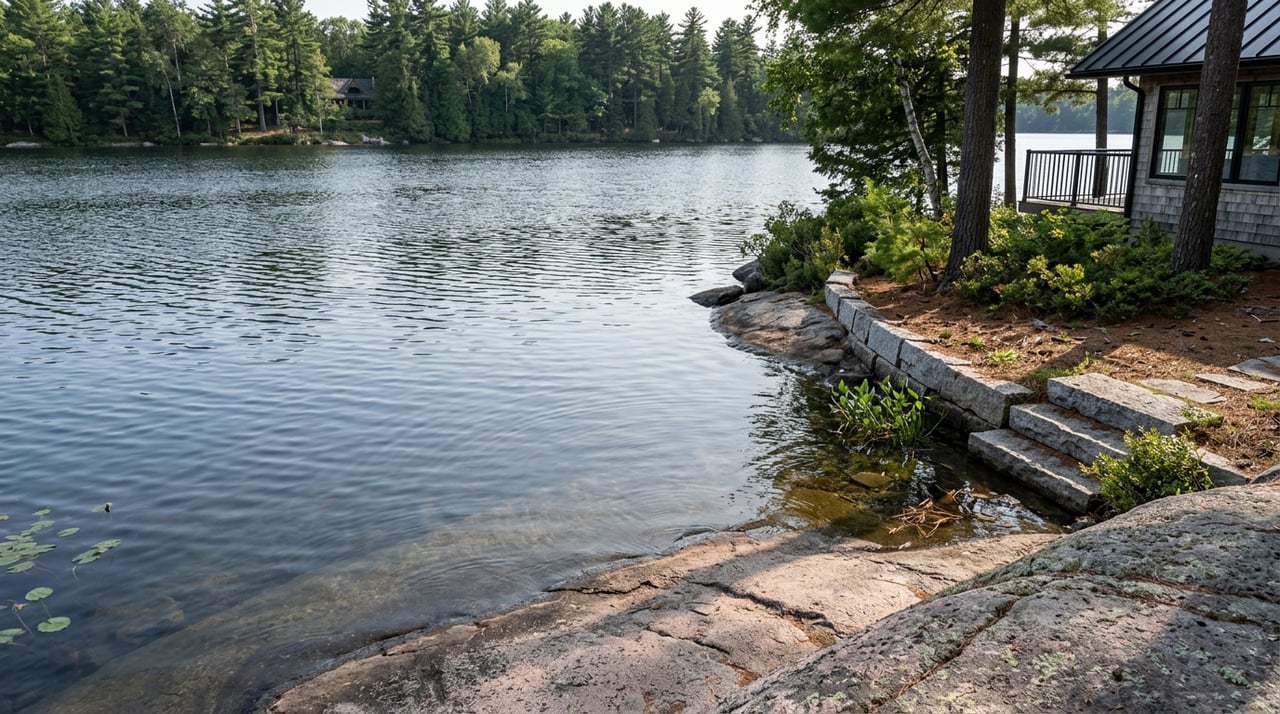
A quiet bay usually feels calmer because wind has less distance to travel across the water before it reaches shore. That distance is known as fetch, and it plays a major role in wave size.
When a shoreline is sheltered by bends in the lake, nearby landforms, or natural outcroppings, wave action is often reduced. In practical terms, that can mean softer water conditions and a more protected shoreline setting.
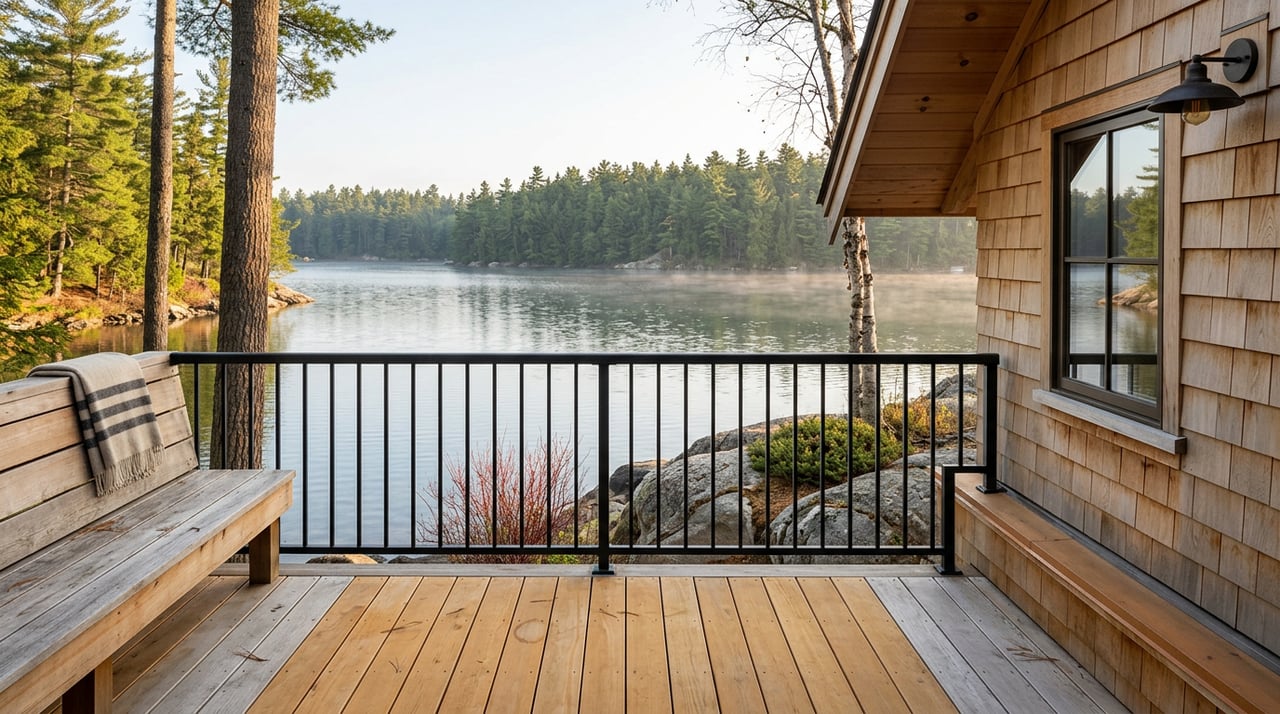
For many buyers, that translates into a gentler cottage rhythm. You may picture early swims, paddle sessions, or slow mornings on the dock with less chop and less visual movement across the water.
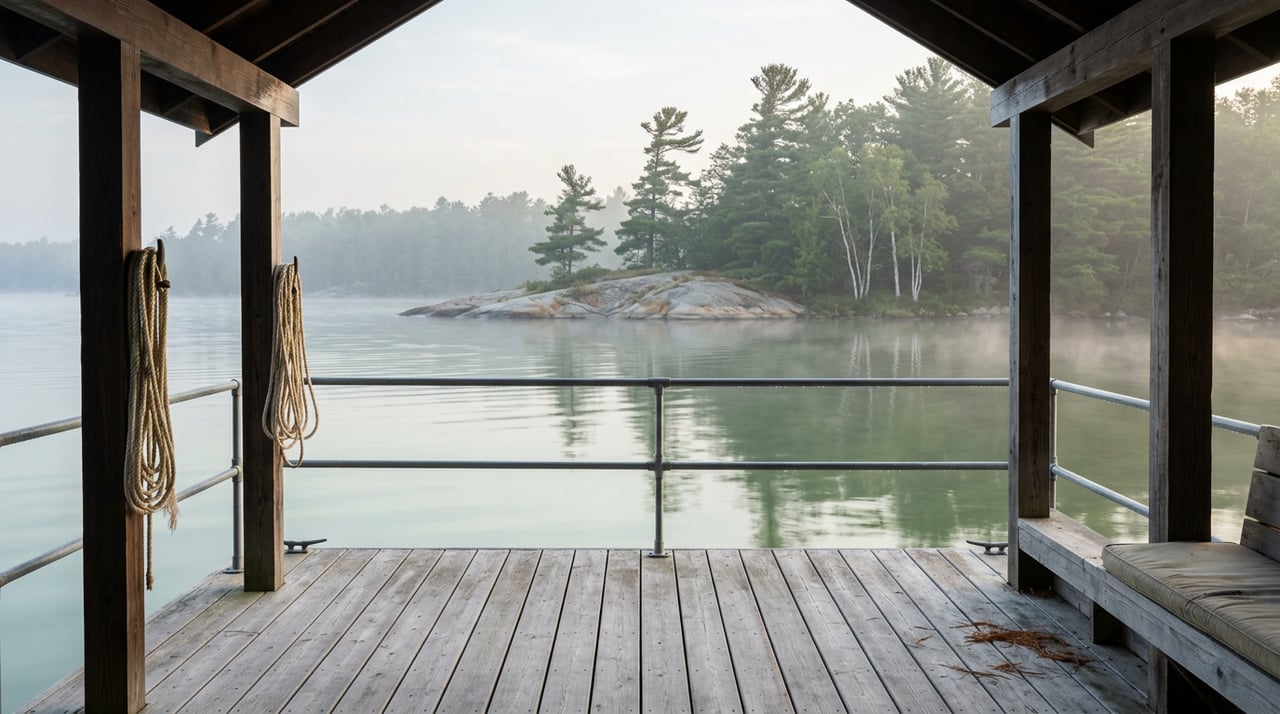
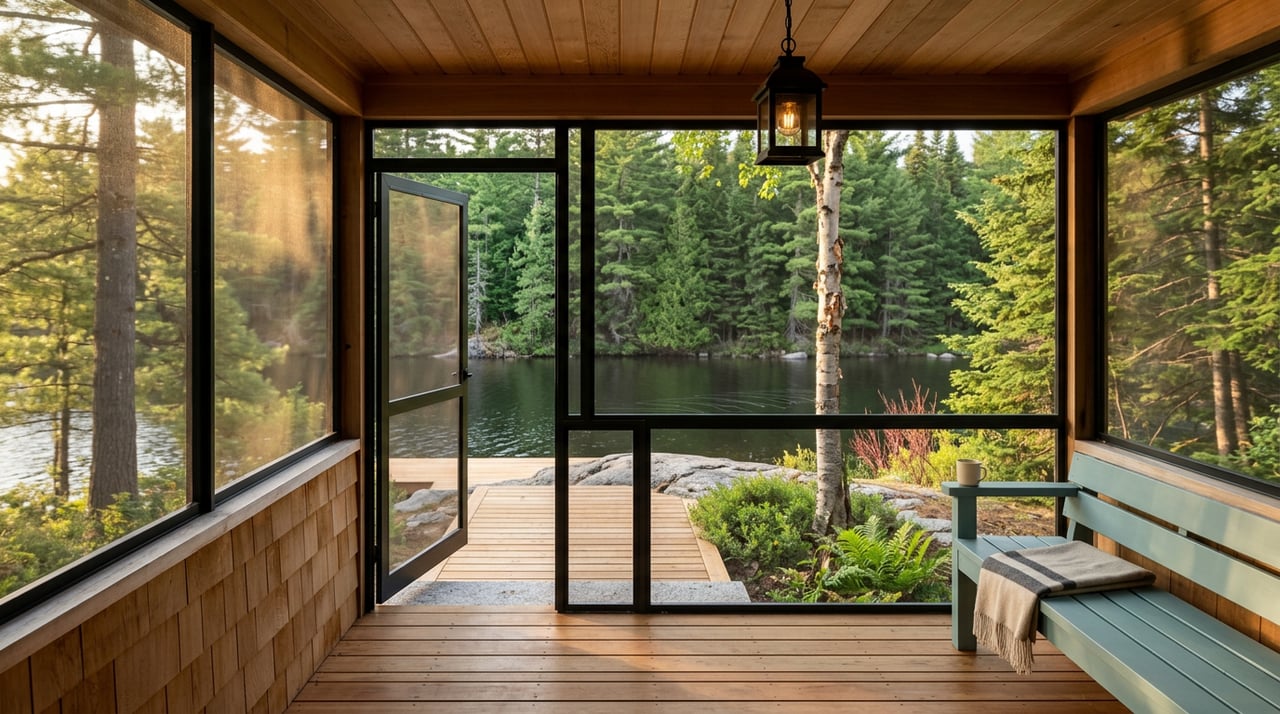
Bay properties tend to feel visually enclosed. Your view is often framed by trees, shoreline curves, and nearby land, which can create a strong sense of privacy and separation.
On Lake Joseph, that feeling aligns well with the Township’s broader shoreline approach. Waterfront design policies emphasize protecting the natural landscape, shoreline privacy, and reasonable views.
This does not make a bay property better or worse. It simply creates a different emotional tone, one that often feels quieter, more inward-looking, and more sheltered.
Open water offers a broader and more expansive lake experience. With a longer fetch, wind-driven waves have more room to build, so conditions can feel more exposed than they do in a sheltered bay.
That exposure is part of the appeal for many Lake Joseph buyers. Open-water properties often deliver bigger sky, longer sightlines, and a stronger sense of connection to the lake as a whole.
If you are drawn to wide views and the feeling of being part of the larger basin, open water may be what you are really looking for. It can make the lake itself feel like the main event.
The visual experience is often one of the biggest differences. Instead of shoreline framing your outlook, open-water settings tend to offer longer views across the lake and a greater sense of horizon.
That can also influence how a property lives. The approach by boat, the view from the dock, and even time spent outdoors can feel more dramatic and more connected to the wider landscape.
For some buyers, that is the defining feature of a Lake Joseph property. They want the expanse, the light, and the unmistakable feeling of being on one of Muskoka’s signature lakes.
Boating is central to life on Lake Joseph, and local rules help shape how shoreline areas feel. Transport Canada’s Vessel Operation Restriction Regulations include Lake Joseph and Little Lake Joseph notes that restrict vessels within 30 metres of shore and within 30 metres of docks, piers, rafts, floating platforms, or other vessels, except during perpendicular ski or kite launches.
Close to shore, that supports a naturally slower, lower-wake environment. Even on a larger and busier lake, the near-shore experience is moderated by these restrictions.
Farther out, the experience changes. The open-water basin is where longer runs, crossings, and more visible boat movement tend to happen.
This is one reason a bay can feel especially peaceful. Shelter from wind and a slower near-shore boating pattern often work together to create a calmer setting.
That said, open-water properties still benefit from the same near-shore restrictions. The difference is that once you look beyond the shoreline, you are more likely to notice the pace and scale of activity across the broader lake.
Lake Joseph’s boating culture is also reinforced by community organizations that focus on safe and responsible use of the lake. For buyers, that is an important part of understanding how the waterfront is experienced from day to day.
Part of Lake Joseph’s appeal is its scale. The Township of Muskoka Lakes official plan gives Lake Joseph a minimum lot area of 0.8 hectares, or 2 acres, and 90 metres, or 300 feet, of waterfront frontage.
Those standards help explain why the lake often feels more spacious and estate-like than tightly packed. They also support a shoreline pattern where privacy, separation, and natural character remain a central part of the experience.
For buyers comparing different parts of Muskoka, this is an important lens. On Lake Joseph, the setting is often shaped not just by the water itself, but by the larger lot fabric around it.
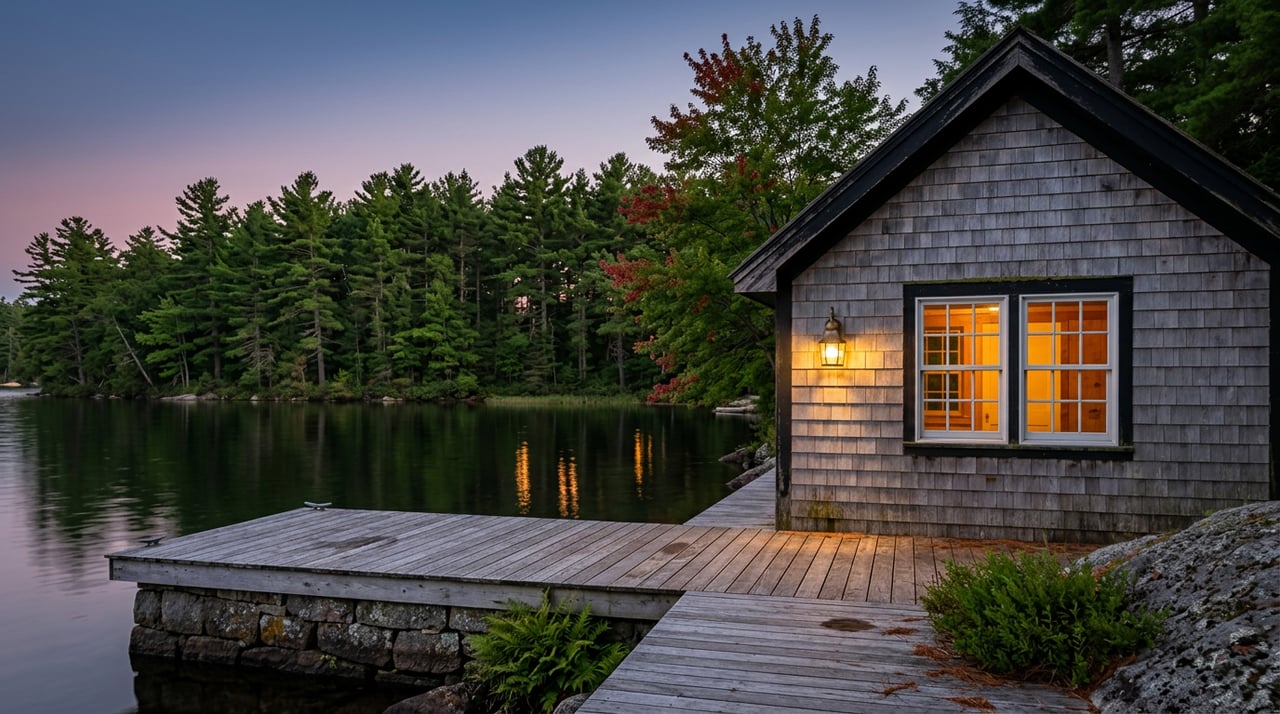
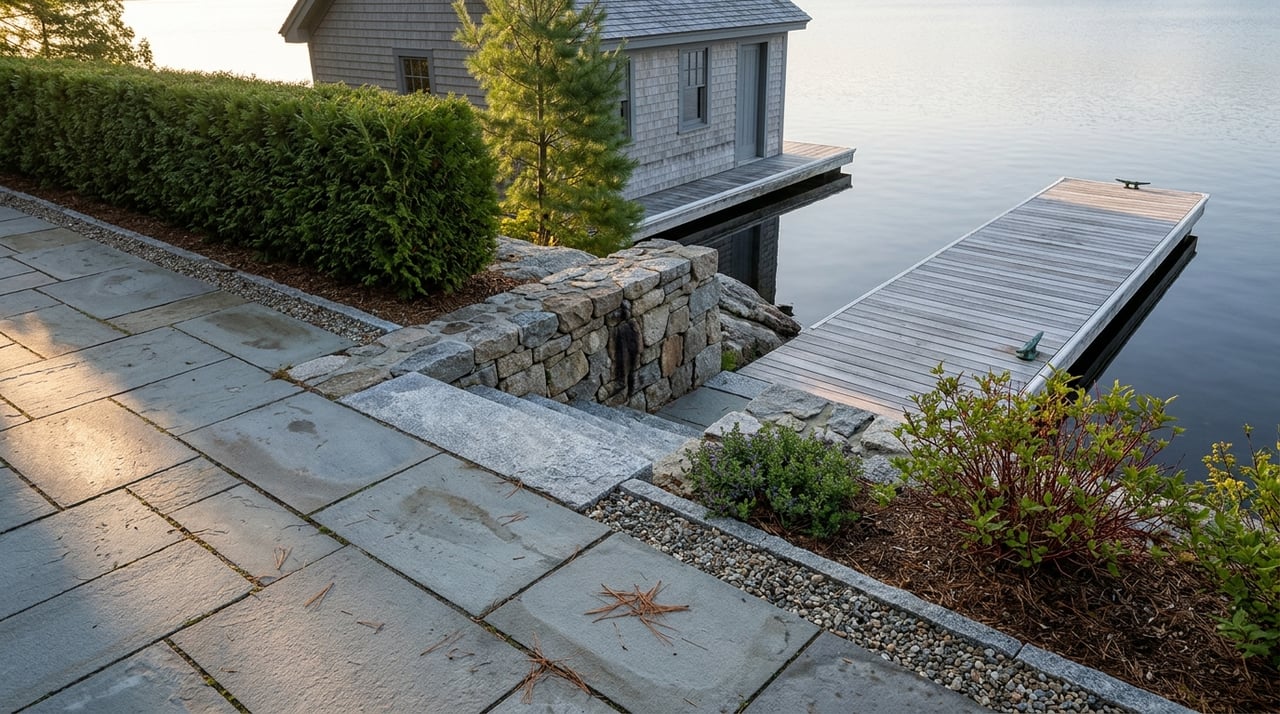
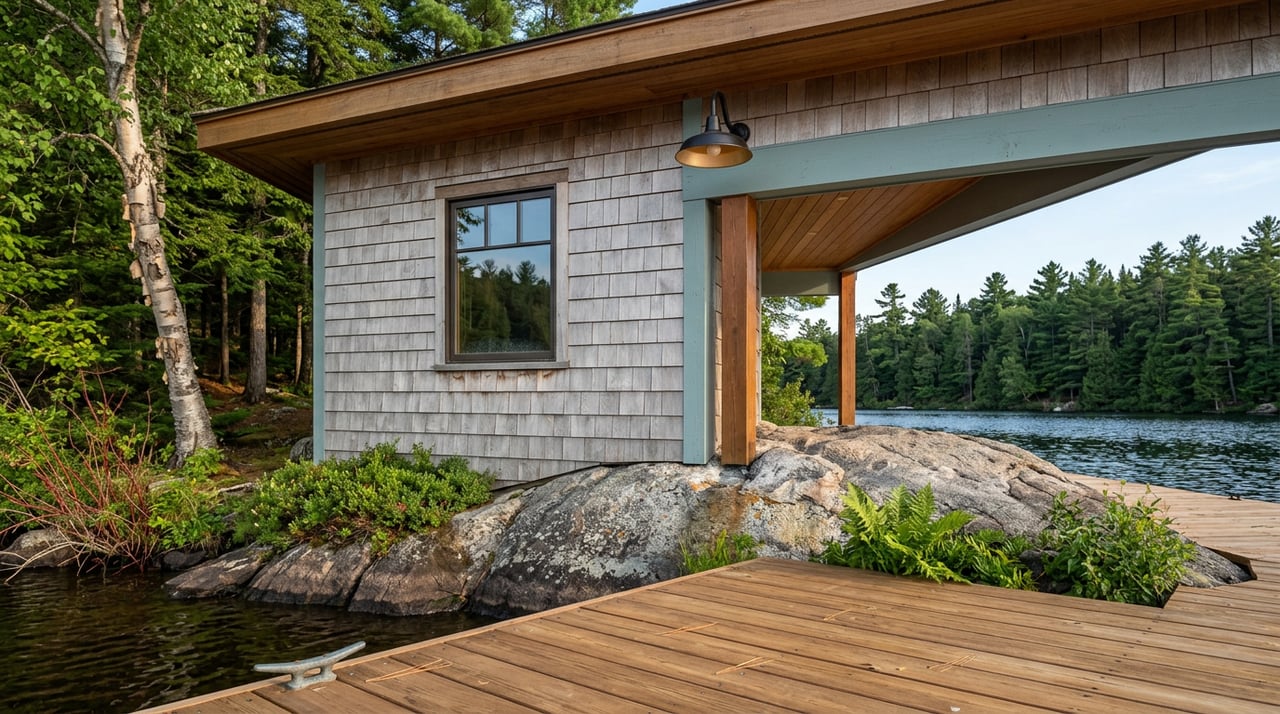
Municipal planning notices on Lake Joseph show a familiar range of waterfront structures, including docks, boathouses, and in some cases sleeping cabins, saunas, gazebos, and larger boathouse forms. That gives many properties a compound-like quality, especially where the shoreline supports multiple structures.
On open water, those elements can feel especially grand because they sit within a wider visual backdrop. In quieter bays, the same types of features may feel more tucked in and private.
Either way, the arrangement of shoreline structures matters. Township policy also emphasizes maintaining privacy and reasonable views through waterfront design.
The simplest way to think about the choice is intimate versus expansive. Both can be beautiful, and both can work well, but they tend to support different daily routines and different priorities.
If you are deciding between the two, it helps to focus less on labels and more on how you want the property to feel. Think about the rhythm of your weekends, your boating habits, and the kind of waterfront experience you want to come back to year after year.
Here is a simple side-by-side view:
| Setting | Often Feels Like | Common Appeal |
|---|---|---|
| Quiet bay | Sheltered, framed, intimate | Softer water, calmer mornings, more enclosed views |
| Open water | Expansive, exposed, connected | Longer sightlines, bigger sky, stronger sense of the broader lake |
Before you narrow your search, consider these practical questions:
These are lifestyle questions, but they can be just as important as square footage or frontage. On Lake Joseph, the feel of the waterfront is often what defines the property.
The right property is not just about price point or lot size. It is about matching the lake setting to the way you want to live in Muskoka.
Some buyers feel at home the moment they enter a quiet bay and see still water ahead. Others know they want open water because the broad view, the horizon, and the scale of the lake are what make Lake Joseph special to them.
If you are weighing both options, local guidance can make a real difference. A thoughtful search should look beyond the listing photos and consider how a shoreline setting will feel in real life, across the full season.
If you are considering buying or selling on Lake Joseph, Marilyn Mannion offers discreet, experienced guidance shaped by decades of Muskoka waterfront knowledge.
Stay up to date on the latest real estate trends.

Let me help you with your Muskoka real estate needs.