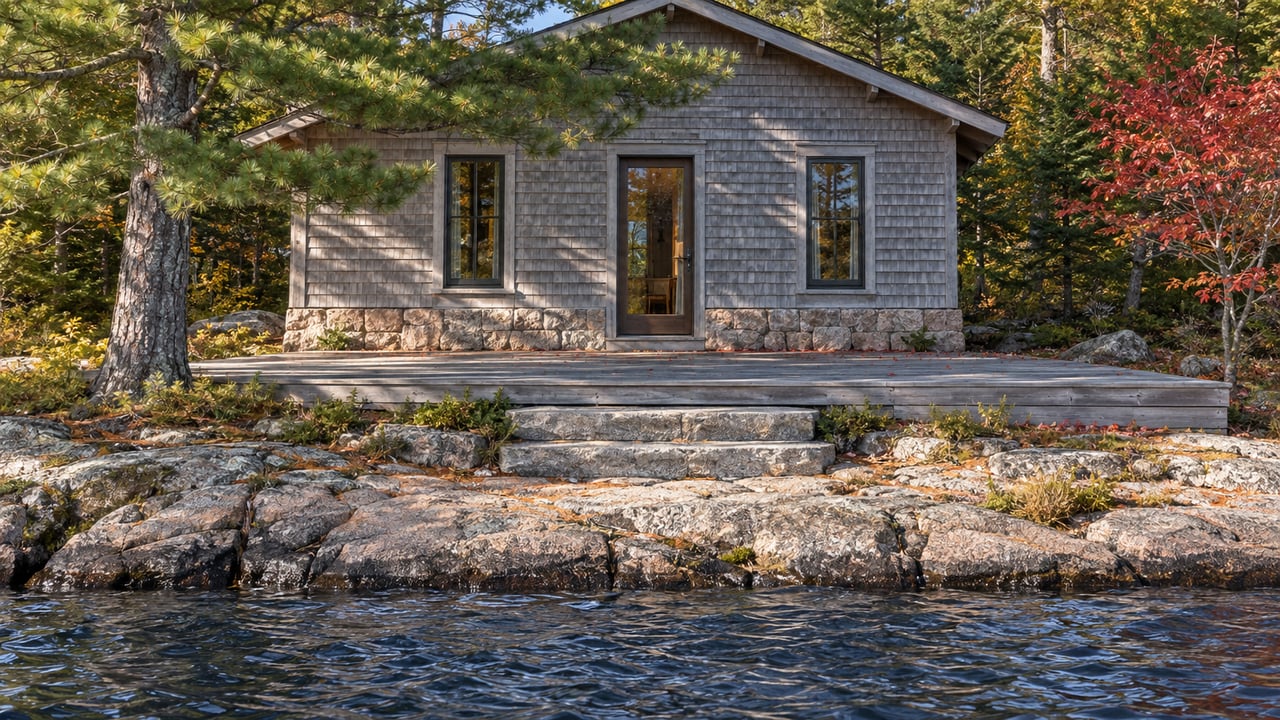
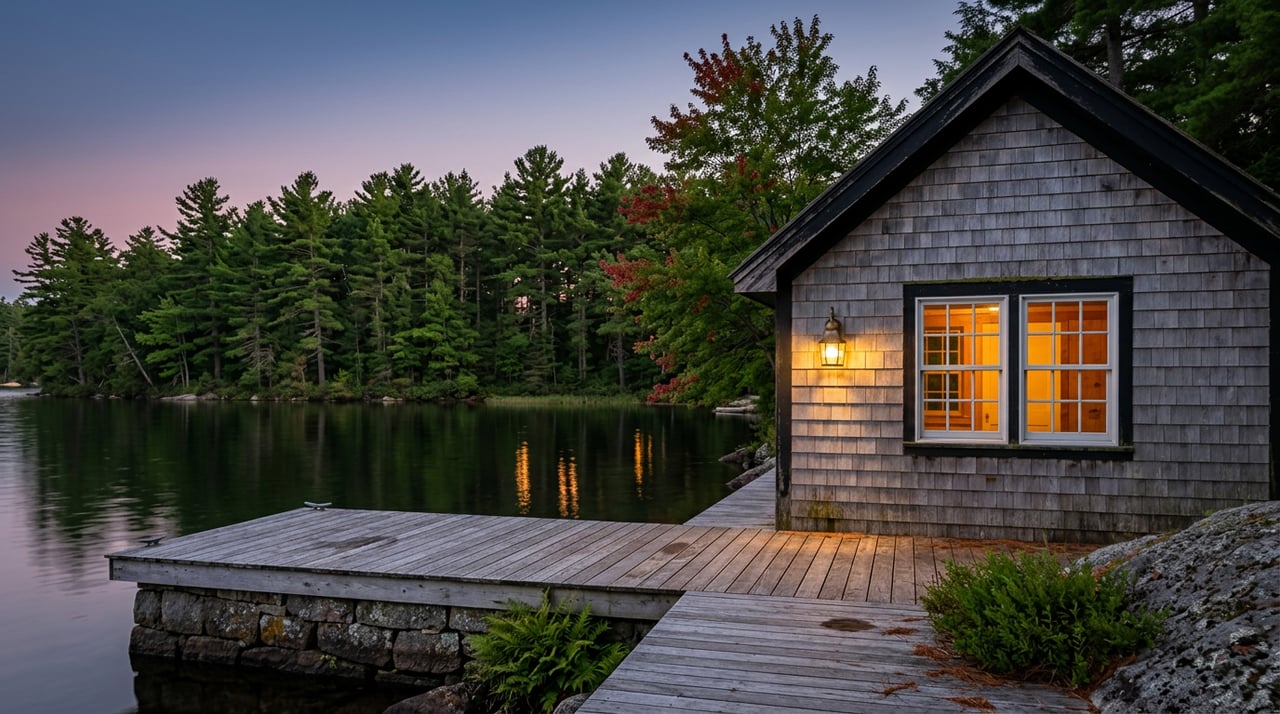
Muskoka’s first real cold snap can arrive faster than you expect. If you own a Lake of Bays cottage, a missed step before freeze-up can turn into burst pipes, roof leaks or insurance headaches. You want a smooth off-season and a worry-free return in spring. This guide walks you through what to do, when to do it and who to call so you can close confidently or keep your place winter-ready for occasional visits. Let’s dive in.
When to winterize in Lake of Bays
Plan to finish winterizing in October to November, before the first sustained overnight freeze. Weather can vary year to year, so keep an eye on local forecasts and historical averages as you lock in your date. Fall is also when township notices may affect waste schedules, road access, shoreline work and dock or lift removals, so check local guidance early.
Empty cottages face higher risks of freeze damage, theft and undetected failures. Many Canadian insurers spell out winterization requirements and may need proof of what you did. Review your policy, follow manufacturer instructions and document your steps with photos and invoices.
Decide: cold shutdown or heated standby
You have two common approaches, and your insurer or appliance manufacturers may influence your choice:
- Fully winterized and unheated. You shut down water, drain lines and leave the building cold and unoccupied.
- Heated and visited occasionally. You keep the heat on at a low, steady temperature and plan periodic checks.
Both approaches work in Muskoka’s climate, but the details differ. Confirm your plan with your insurer and any relevant manufacturers.
Water and plumbing essentials
If leaving the cottage cold
- Shut off the interior main water valve and any secondary isolation valves, including those serving exterior taps.
- Open faucets and low-point drains to empty lines, and flush toilets to remove water from tanks and bowls.
- Hire a licensed plumber familiar with cottage systems to blow out lines with compressed air at appropriate pressures.
- Drain the hot-water tank and follow the manufacturer’s instructions to prevent damage.
- Pour non-toxic, propylene-glycol RV antifreeze into sink and shower traps, toilet bowls and floor drains if permitted by your insurer and manufacturers. Never use automotive antifreeze.
- For well systems, follow a licensed well contractor’s guidance. Protect or drain pumps and pressure tanks as required, and turn off power once the system is safe.
- Disconnect, drain and store exterior hoses. Shut off and drain exterior hose bibs.
- Drain or prepare water treatment systems such as filters, UV and softeners per the manufacturer.
If keeping heat on
- Keep the main water supply accessible and protect exposed pipes with insulation or heat tape where needed.
- Consult appliance manufacturers on bypass valves and settings for hot-water tanks or boilers in low-occupancy use.
- For wells, set freeze-protection and confirm appropriate insulation or heat on vulnerable components.
- Consider remote water sensors and shutoff devices for peace of mind.
Heat, fuel and fireplaces
- Furnace or boiler. Schedule annual service before winter. Have a technician inspect burners, heat exchanger, filters and controls. If you keep the cottage heated, set the thermostat to a minimum safe temperature recommended by your HVAC technician and your insurer. Many professionals prefer a steady low setting rather than cycling to near zero.
- Propane and gas. Arrange inspection and service by a licensed propane or gas technician. In Ontario, fuel safety work is regulated, so use certified pros. Confirm tank levels, deliveries and protection for exposed lines if you will heat through winter.
- Wood stoves and fireplaces. Book a chimney sweep and flue inspection well before the season. Creosote and animal nests are fire hazards. If you leave the cottage unoccupied, close and secure dampers and never leave ash with smoldering embers.
- Generators and auxiliary heat. Service generators and test them. Ensure transfer switches and any electrical connections meet Ontario Electrical Safety Authority requirements.
Septic and wastewater
- Pumping and inspection. If your tank is due, schedule pumping before you close up. Frequency depends on usage and tank size. Many properties fall in the 3 to 5 year range, but a licensed septic contractor should advise for your system.
- Winter operation. If fully winterizing, disconnect or protect lines to the septic system as directed by a professional. If you plan winter visits, protect access points and keep heavy snow loads and plowing away from the drain field to avoid damage.
- Holding tanks. If you have a holding tank, ensure it is emptied and winterized as needed.
Exterior, roof and shoreline
- Roof, gutters and drainage. Clean gutters and downspouts. Extend downspouts away from the foundation. Inspect shingles and flashing and remove overhanging branches that could cause damage.
- Ice damming prevention. Proper attic insulation and ventilation help reduce ice dams. Address minor issues now to prevent costly repairs later.
- Doors, windows and insulation. Replace worn weatherstripping, install storm windows or doors if you have them, and seal exterior gaps. Insulate exposed plumbing runs and the foundation where accessible.
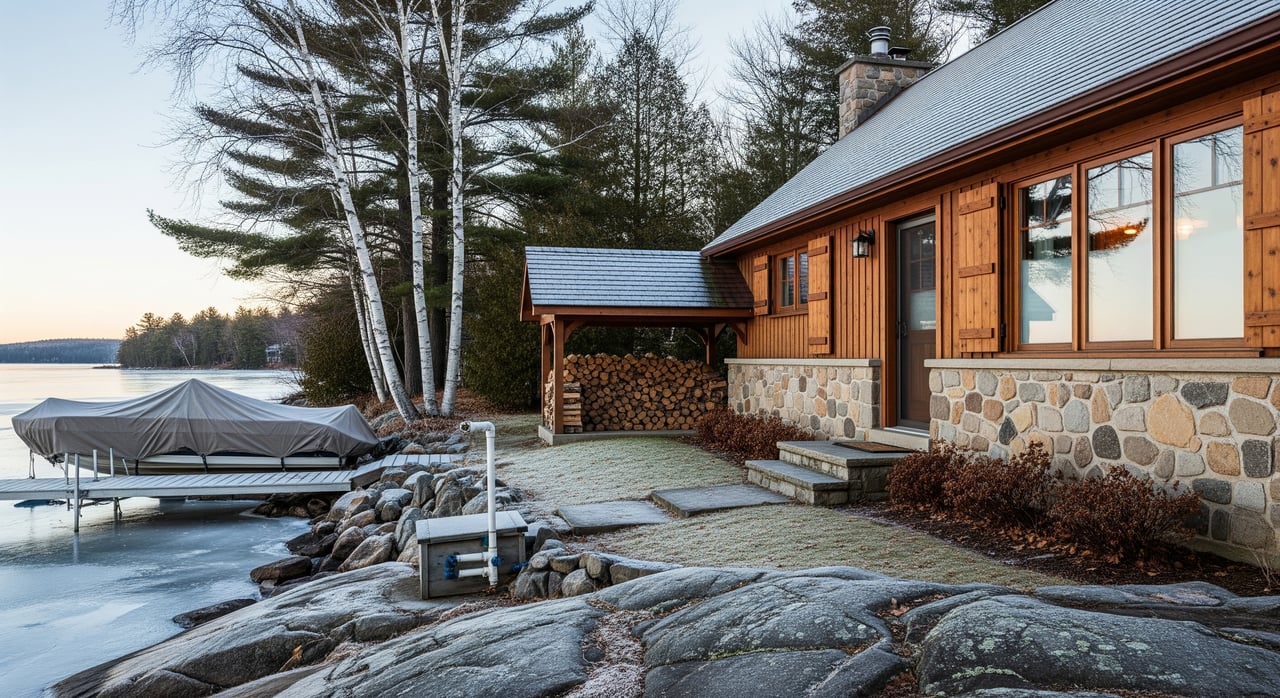
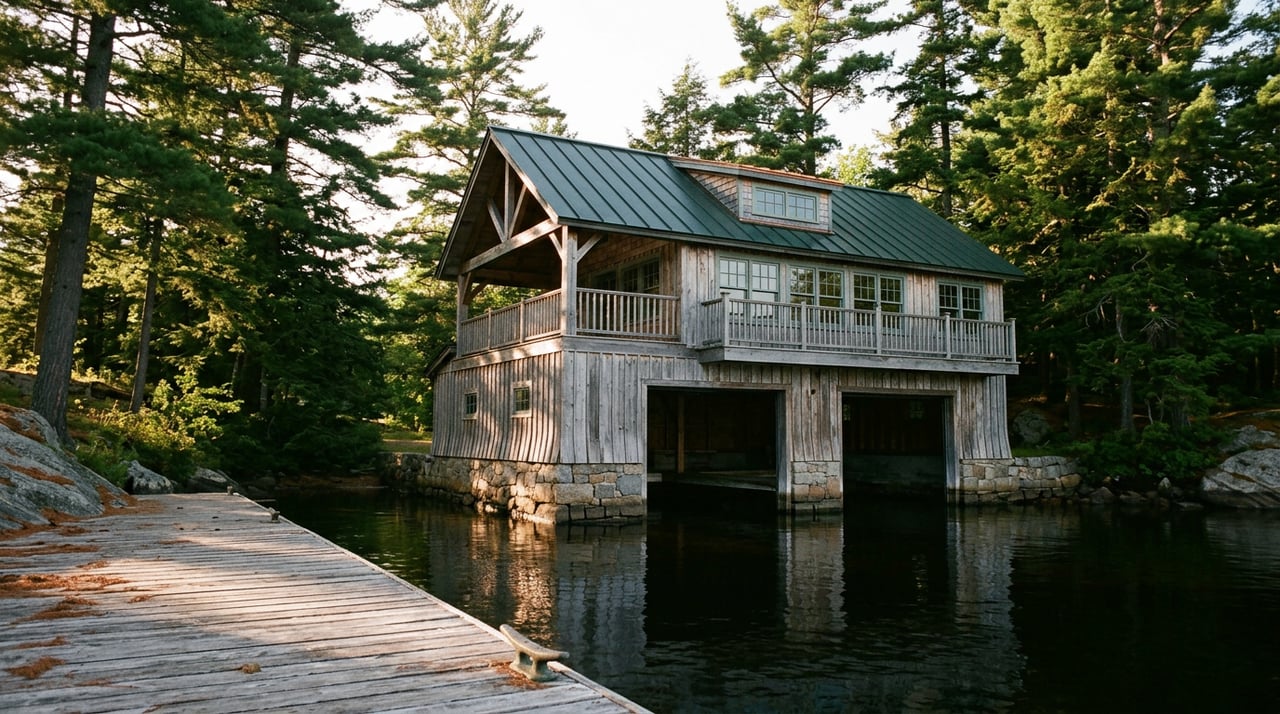
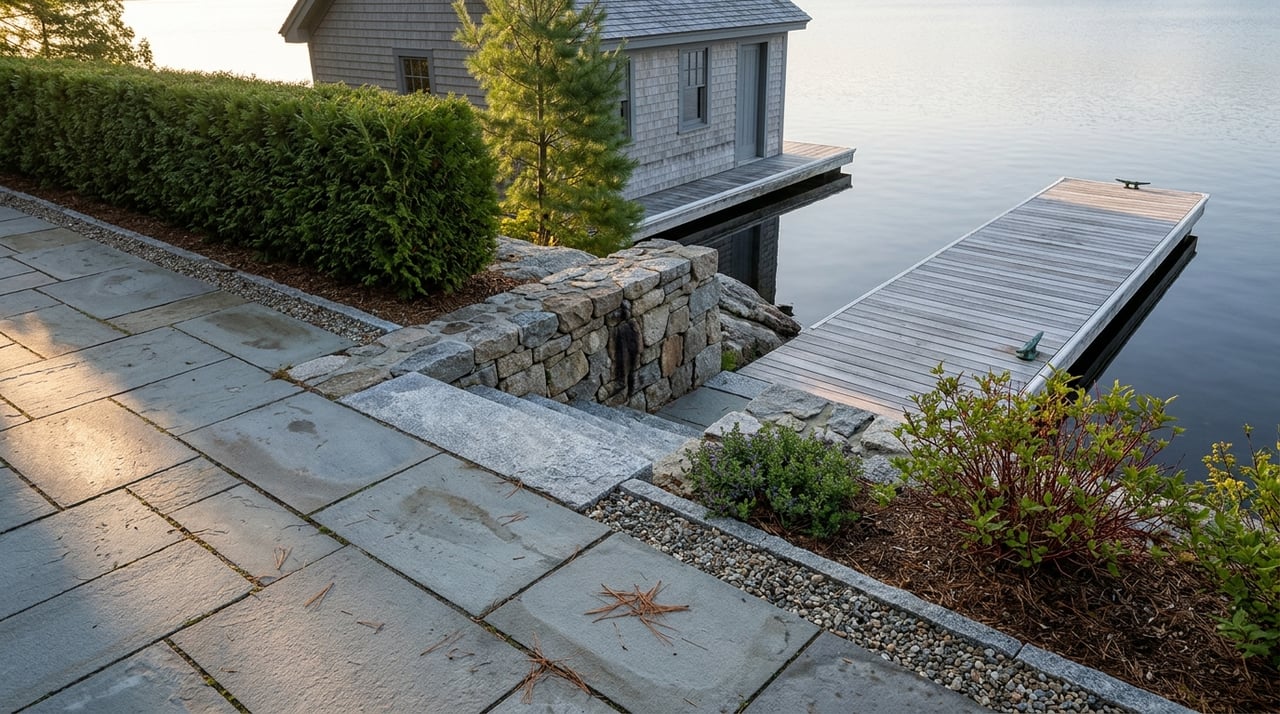
- Docks, lifts and boats. Plan to remove docks, lifts and removable sections before the lake freezes, a common October to November task. Winterize boats and motors according to the manufacturer. Confirm local bylaws and conservation rules before doing shoreline work, and document removal and storage.
- Landscaping and loose items. Trim trees near structures and power lines. Secure outdoor furniture and any loose materials.
Electrical, appliances and valuables
- Appliances. Remove all perishables. For a full shutdown, unplug fridges and freezers after cleaning and prop doors open to prevent mold. If you keep them running, confirm seals and prepare for possible power outages.
- Laundry and dishwashers. Drain and prepare washing machines, dishwashers and ice makers per the manufacturer.
- Panel and circuits. Label circuits and switch off non-essential ones. Leave heat, sump pump, alarms and any monitoring equipment powered as needed. Use a licensed electrician if you have concerns.
- Secure storage. Remove or secure valuables and store flammable liquids indoors in approved containers.
Safety, pests and monitoring
- Detectors. Test smoke and carbon monoxide alarms and replace batteries. Replace units nearing the end of their service life.
- Rodent and pest prevention. Seal gaps, store food in airtight containers, remove old nests and consider traps or a pest-control service.
- Winter access and snow removal. If you plan winter visits or keep heat on, arrange a snow-clearing plan for driveways and safe access. Plan for roof snow management if needed.
- Remote monitoring. Consider smart thermostats, temperature and water-leak sensors, cameras and scheduled property checks. These can speed up your response to outages, leaks or unauthorized access.
- Emergency contacts. Create a list of local emergency numbers, licensed trades and a trusted neighbour who has permission to check the property if needed.
Build your local team
In Muskoka, fall booking windows fill quickly. Contact key trades 4 to 8 weeks before your target date and confirm by late summer if possible. Look for local experience with Lake of Bays cottages, written estimates and proper insurance coverage.
Key specialists:
- Plumber with cottage and well-system experience.
- HVAC technician for furnaces, boilers or heat pumps.
- Certified propane or gas technician for fuel systems.
- Licensed electrician who works under Electrical Safety Authority rules.
- Licensed septic contractor for inspection and pumping.
- Chimney sweep and fireplace technician with recognized training.
- Dock and lift contractor familiar with Lake of Bays conditions.
- Snow removal and property-check services on seasonal contracts.
Verify credentials such as appropriate provincial certifications, WSIB and liability insurance. Ask for nearby references and examples of similar work.
Insurance, documentation and common pitfalls
- Policy requirements. Some insurers require documented winterization for unoccupied and unheated cottages. Others require functional heat, remote monitoring or regular property checks. Read your policy and confirm expectations in writing.
- Documentation. Keep dated photos, invoices and checklists with your policy files. This protects your claim position and helps future buyers understand your cottage’s care.
- Common issues. Frozen pipes, furnace failures, power outages, chimney fires and improperly stored fuel are frequent causes of damage. Service equipment, protect lines, and store fuel safely away from the shoreline.
- Local rules. Shoreline and dock work can be subject to municipal and conservation rules. Confirm timing and permits with the Township before major changes.
A simple timeline
- Late summer, August to September: review your insurance policy, plan your approach and book plumbers, HVAC, chimney and dock services.
- Early fall, September to October: complete furnace and chimney service, clean gutters, trim trees, and schedule or complete dock and boat removal.
- Pre-freeze, October to November: finalize plumbing shutdown and blowout, drain tanks, disconnect hoses, pump the septic if due, and confirm fuel deliveries or safely secure tanks.
- Winter, after the first heavy freeze: maintain property checks, snow removal and monitoring.
Quick checklists
Fully winterizing, leaving cold and unoccupied
- Turn off main water, drain pipes and blow out lines, then add RV antifreeze to traps.
- Drain hot-water tank and secure boiler per the manufacturer.
- Pump septic if due. Close or protect vents as advised by your contractor.
- Unplug non-essential appliances. Clean and prop open fridge and freezer doors.
- Remove hoses, drain exterior taps and close interior shutoffs.
- Clean gutters, inspect roof, secure loose items and trim branches.
- Remove dock, lift and boat from the water.
- Change furnace filter and set to frost protection if required by your insurer or manufacturer.
- Photograph and file what you did. Keep invoices.
Heated but unoccupied, with winter visits
- Service furnace or boiler and propane system. Confirm deliveries and safety checks.
- Set thermostat to an agreed minimum and add remote monitoring.
- Insulate exposed pipes and add heat tape where needed.
- Pump the septic if needed and keep plows away from the drain field.
- Sign seasonal contracts for snow removal and property checks, and share contact lists.
- Secure valuables, remove perishables and test alarms and cameras.
Plan your next step
A thoughtful winter plan protects your investment and gives you a calmer spring opening. If you are considering buying or selling a Lake of Bays property, or want guidance on how seasonal prep can influence value and timing, reach out to a local advisor who knows the lakes and the market. For warm, discreet representation and seasoned Muskoka insight, connect with Marilyn Mannion.
FAQs
When should I schedule winterizing for a Lake of Bays cottage?
- Aim to complete the work before the first sustained overnight freeze, typically October to November in Muskoka, and book key trades 4 to 8 weeks in advance.
Can I winterize my cottage myself or should I hire pros?
- You can handle basics like hoses, gutters and removing perishables, but hire licensed professionals for plumbing blowouts, propane or gas work, chimney service and electrical tasks.
What temperature should I leave the thermostat at if I keep heat on?
- Recommendations vary. Consult your furnace manufacturer, HVAC technician and insurer. Many professionals prefer a steady low temperature over cycling near zero.
What do insurers usually require for unoccupied winter cottages?
- Policies differ, but common requirements include documented winterization steps, functional heat or remote monitoring, and sometimes regular property checks recorded in a log.
How often should I pump my septic before closing up?
- Pumping frequency depends on usage and tank size. Many properties fall in the 3 to 5 year range, so confirm timing with a licensed septic professional.