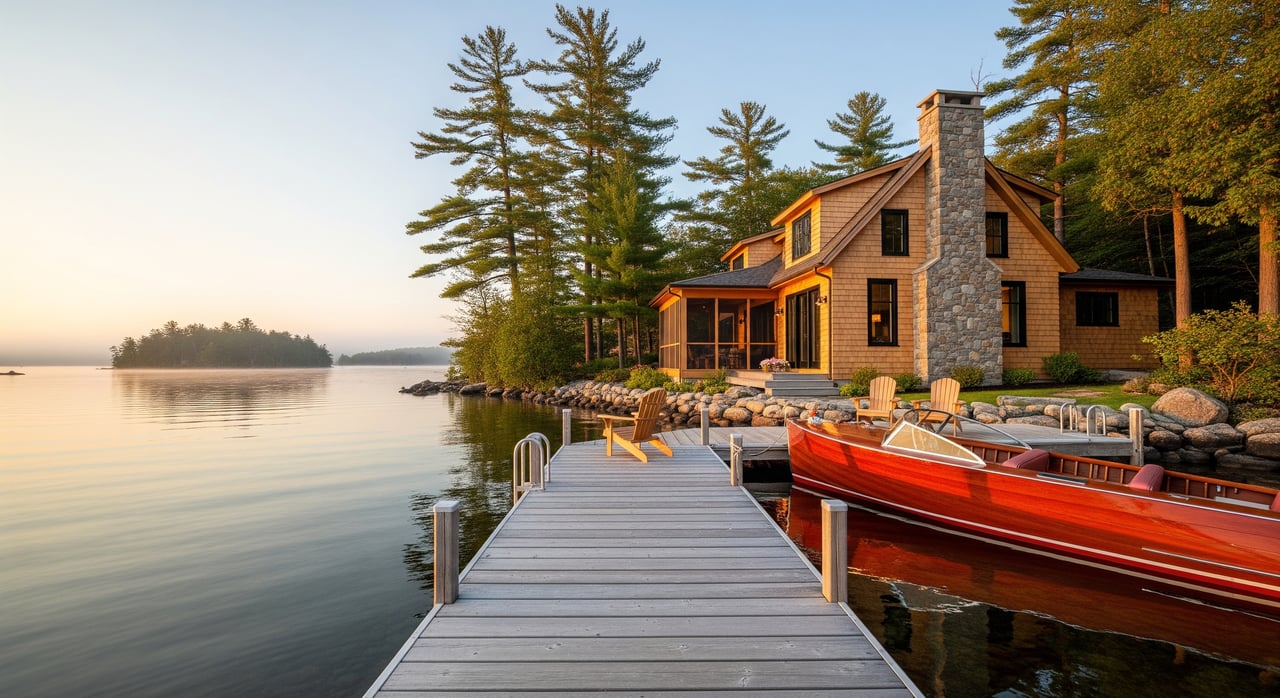
Inside the Muskoka Lakes Cottage Lifestyle Guide
February 5, 2026
February 5, 2026
What does a day on Lake Muskoka really feel like? Picture the soft thrum of boats in the channel, coffee on the dock, and a slow, easy rhythm that shifts with the season. If you are exploring cottage ownership, you want the beauty and the practical truth. In this guide, you will see what life here looks like week to week, what it takes to own and maintain a cottage, and how Port Carling anchors daily needs. Let’s dive in.
Spring is about turning the lights back on. You prepare docks and boats, reverse winterization, clean shorelines, and schedule septic checks before peak use. Marinas and contractors book up early, so plan ahead. Ice-out varies by bay and year, which sets the real start of boating season.
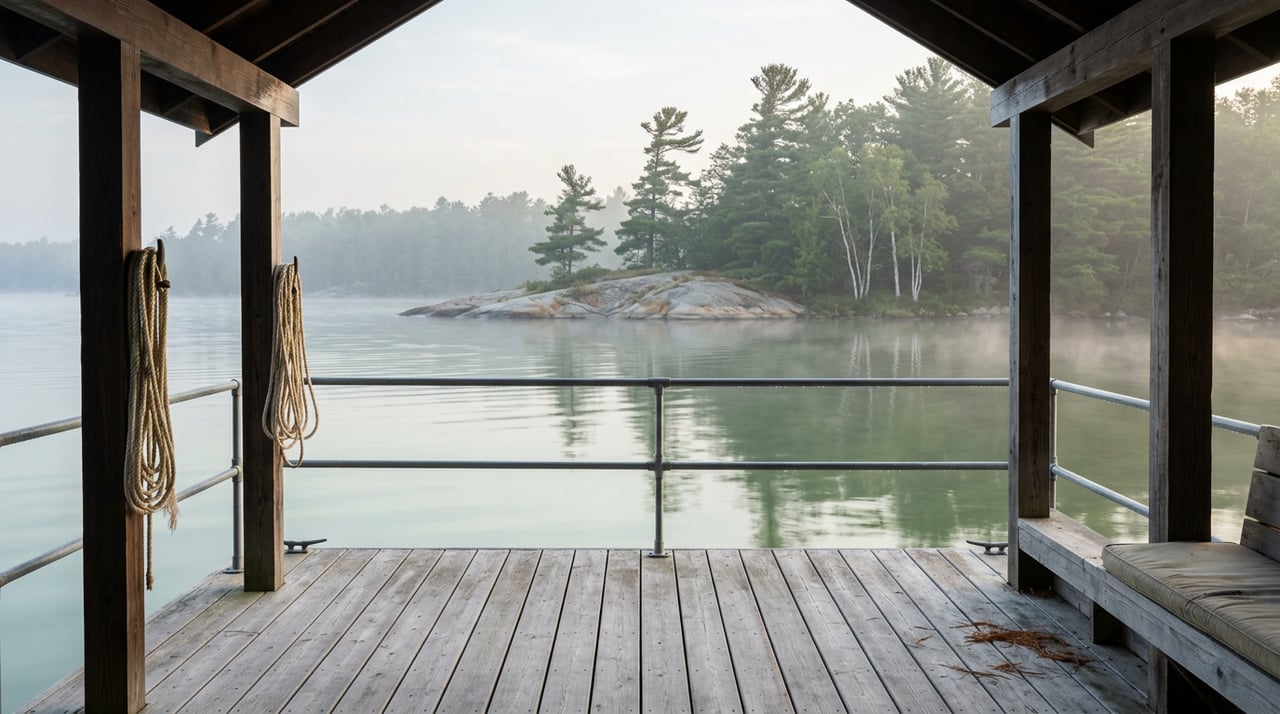
Summer brings the classic cottage rhythm. You boat to lunch, swim off the dock, host multi-generational visits, and unwind by the fire at night. Expect busy channels and narrows, fuller marinas, and more active local events and markets. Municipal services and business hours expand in season, so daily errands get easier.
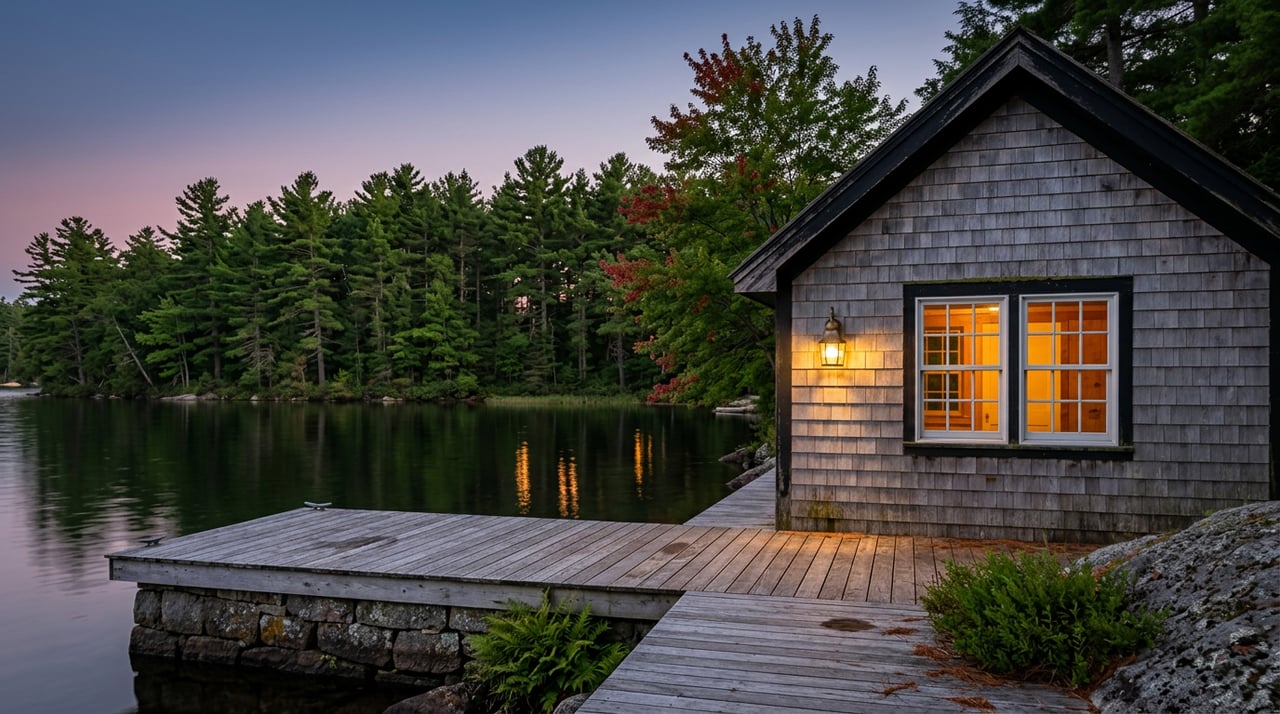
Fall is calm and reflective with changing leaves and quieter water. It is a great time to test lifestyle fit if you are still in the research phase. Businesses shorten hours, but contractors often have more availability for projects. Winterization begins as temperatures drop later in the season.
Winter brings a different pace. Some owners stay year-round, while others close up and rely on caretakers. Recreation shifts to ice fishing, snowmobiling, skating, and cross-country skiing. Access can change, especially for islands and remote bays, so plan for snow removal, reliable heating, and frozen-plumbing prevention.
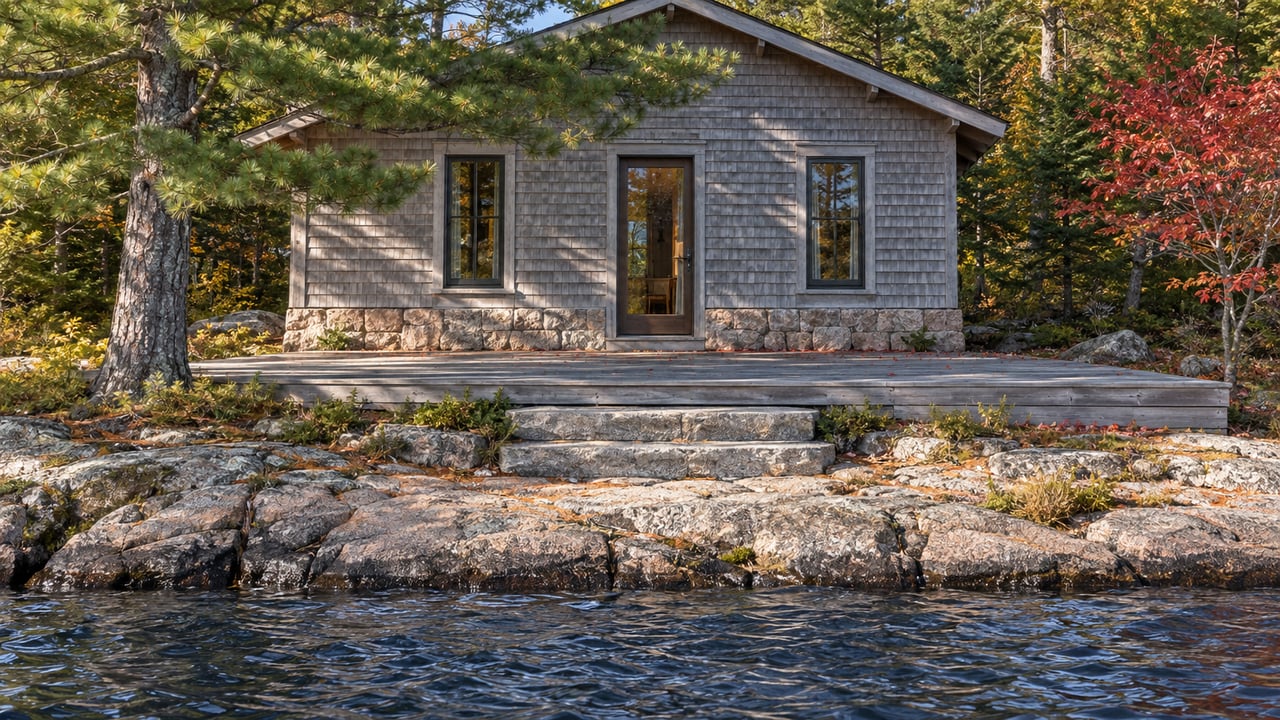
Lake Muskoka draws many buyers from the Greater Toronto Area. The drive is typically 2 to 3 hours depending on traffic and exact starting point. Port Carling acts as a natural hub with marinas, shops, fuel, and services. Road access is good in core areas, while some remote bays and islands rely on boat access in warm months and specialized access in winter.
Utilities vary by location and age of the property. Most shoreline lots connect to electrical service, while some older or remote cottages may be off-grid with generators or solar. Water is often a private well or drawn from the lake with proper filtration, and sewage is typically a private septic system. Internet and cellular coverage depend on the bay, with better options near hubs and improving satellite solutions in remote pockets.
Winter services depend on road type and maintenance schedules. Some roads are municipal, while others are private and require owner-arranged plowing. Plan for snow removal, heat management, and winter checks if the cottage will sit vacant. Maintenance cycles you should budget for include docks and boats, septic pumping, shoreline stabilization, roof and heating upkeep, and seasonal landscaping.
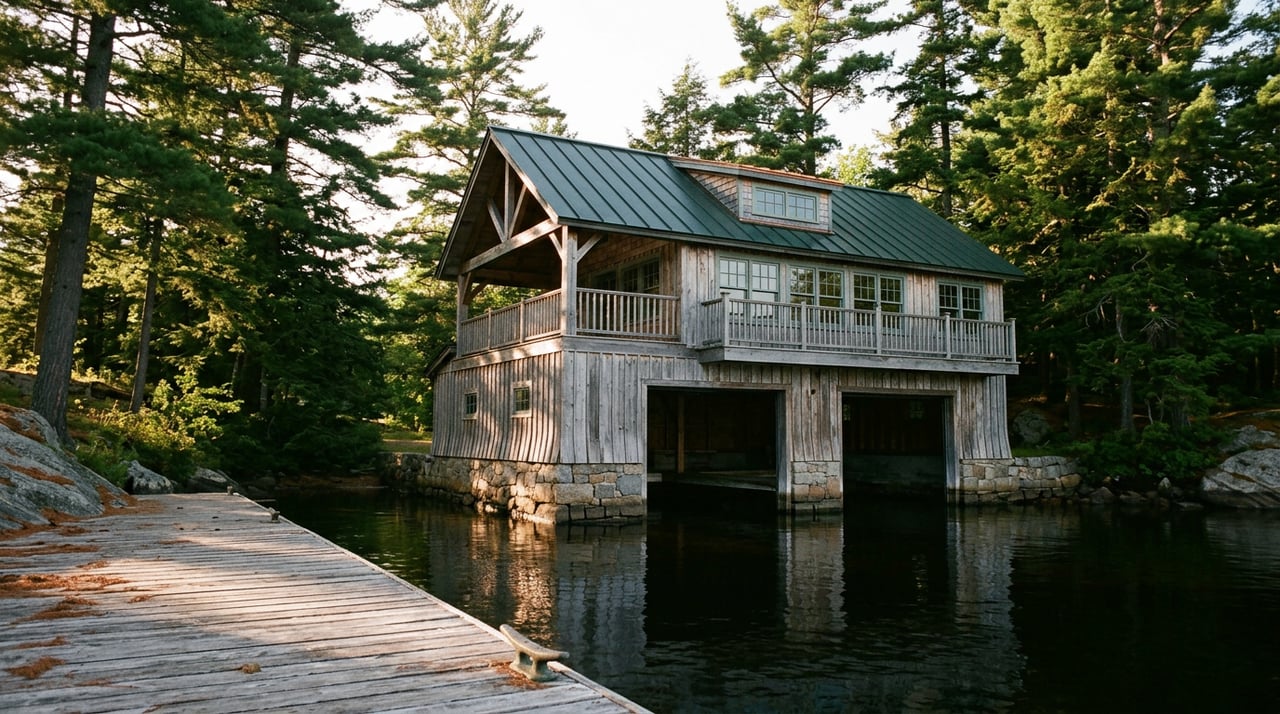
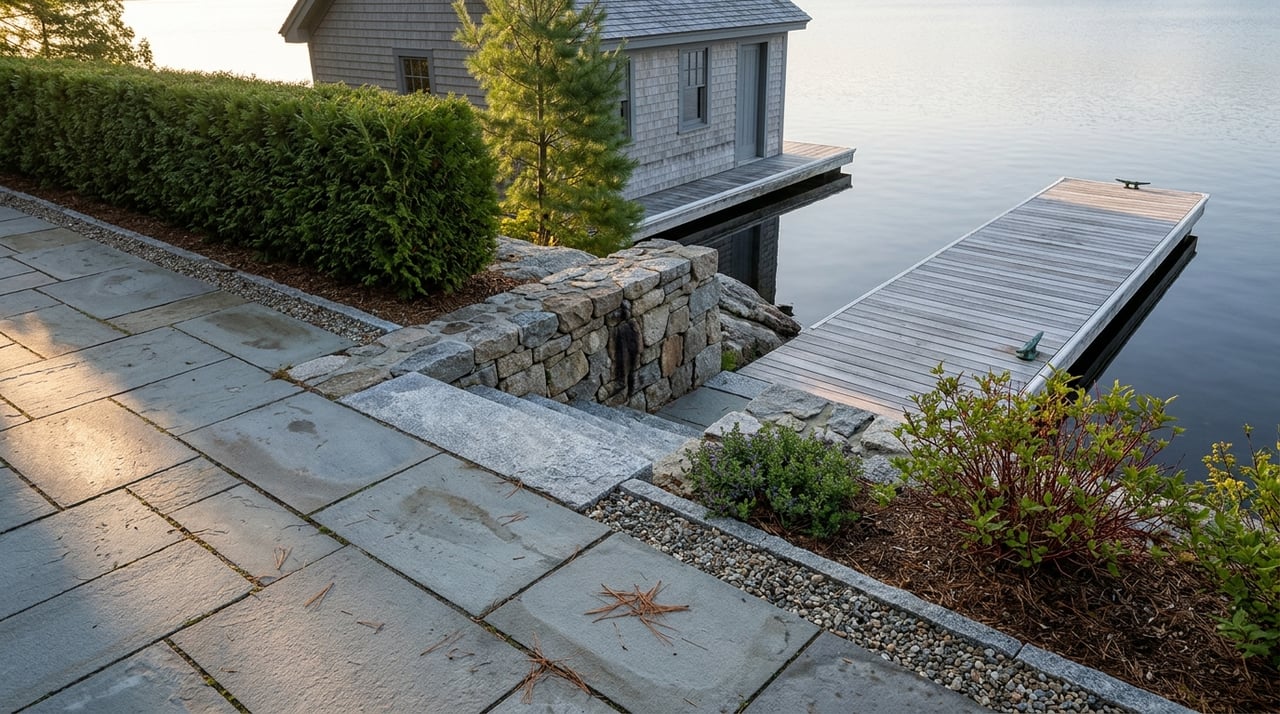
Docks, boathouses, and shoreline structures are regulated by township bylaws and conservation rules. Permits and approvals may be required for new builds or changes, so confirm requirements before you start a project. Summer brings more active enforcement of no-wake and speed rules in narrows and near town sites. Local marinas provide seasonal slips, fueling, storage, and haul-out, with Port Carling a key staging point for service and logistics.
Short-term rentals are common, but they come with rules. The Township of Muskoka Lakes regulates licensing, occupancy, noise, and parking, and requirements can evolve. Insurance often changes for rentals, so you may need a specific endorsement to ensure coverage. If you model revenue, remember to include management, cleaning, maintenance, utilities, and taxes in your net projections.
Healthy water and stable shorelines are central to the Muskoka lifestyle. Many municipalities protect shoreline vegetation and limit retaining walls and fill to reduce erosion and preserve buffers. Responsible septic maintenance helps prevent nutrient runoff and algal issues. Be mindful of invasive species by keeping hulls and gear clean, and follow local guidance on open burning and seasonal fire risk. Wildlife is part of the setting, so use approved waste storage and stay aware.
Port Carling is your day-to-day anchor. You will find marinas, fuel, trades, hardware, and seasonal shops, plus small galleries, markets, and casual dining. Boating day trips are a staple, from quiet bays to lunch stops and evening cruises. In winter, regional trail systems, local rinks, and seasonal festivals offer a different kind of gathering.
Visit in summer to feel the energy and on-water traffic patterns. Spend time in fall to experience the quieter side and evaluate how you will use the property in shoulder seasons. If you expect winter use, plan a cold-weather visit to test access, heating, and road conditions. In every season, pay attention to sun exposure, prevailing winds, and the daily rhythm in your bay.
Buying or selling on Lake Muskoka is part lifestyle, part logistics. You want someone who knows the bays, the bylaws, the service network, and the seasonal timing that drives value. With decades of local experience and a boutique, high-touch approach, Marilyn guides you from first viewing to confident closing, supported by premium marketing and discreet client service. If you are ready to start a search, preview off-market opportunities, or time a listing for the next season, connect with Marilyn Mannion.
Stay up to date on the latest real estate trends.

Let me help you with your Muskoka real estate needs.